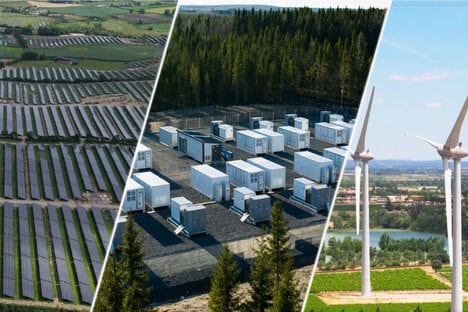
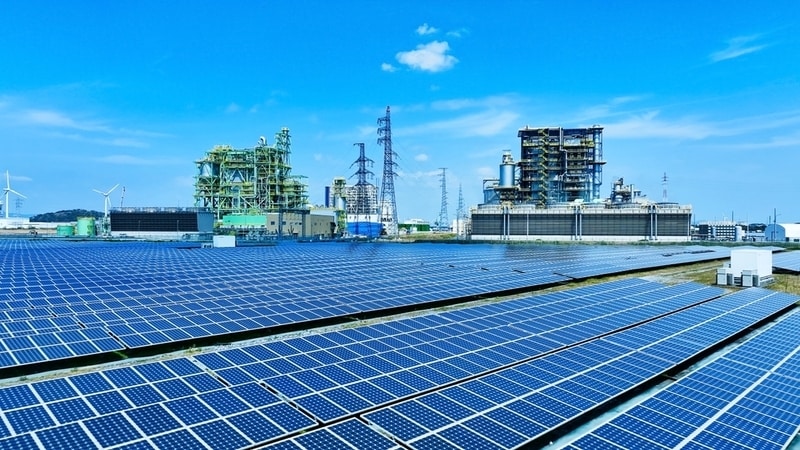
The Bihar government has commissioned the first phase of the Kajra Solar Power Plant, a large-scale renewable energy project in the Lakhisarai district designed to boost the state’s clean power mix. Developed under the Bihar State Power Holding Company Ltd, the project stands out for pairing utility-scale solar generation with grid-connected battery storage. This combination is intended to stabilize power supply and support rising electricity demand with lower emissions.
In its initial phase, Kajra features a 185-megawatt solar facility integrated with a 254-megawatt-hour battery energy storage system, backed by a new transmission line and transformer infrastructure for power evacuation. According to Bihar’s energy department, the battery system enables four to five hours of continuous supply during peak demand windows. A second phase is underway that will add another 116 megawatts of solar capacity and 241 megawatt-hours of storage, with full project completion targeted by January 2027.
For consumers, the Kajra project signals a shift toward more reliable, cleaner electricity in a region historically challenged by grid constraints. The solar-plus-storage model helps smooth intermittency, supporting steadier voltage and reducing outages during high-use periods. On a broader level, it illustrates how emerging markets are adopting hybrid renewable infrastructure to meet climate goals while enhancing everyday energy access, positioning battery-backed solar as a scalable template for future grid upgrades.
Image Credit: metamorworks / Shutterstock.com
What's Driving This Trend
- Grid-connected Solar-battery Hybrids
- The integration of large-scale solar power with battery storage is transforming renewable energy projects into stable and reliable electricity providers.
- Hybrid Renewable Infrastructure
- Emerging markets are leveraging hybrid infrastructure models combining renewables with storage to enhance energy reliability and meet climate targets.
- Peak Demand Energy Solutions
- Solutions integrating battery storage with solar are addressing peak demand challenges by providing continuous energy supply during high-use periods.
Who This Affects Most
- Renewable Energy
- The renewable energy industry is being revolutionized by combining solar power with battery storage to create more efficient and reliable power systems.
- Energy Storage
- Advancements in energy storage technology are central to enabling continuous power supply and stabilizing grid operations during varying demand levels.
- Grid Infrastructure
- The grid infrastructure industry is innovating with new transmission and transformer technologies to support the integration of renewable resources.