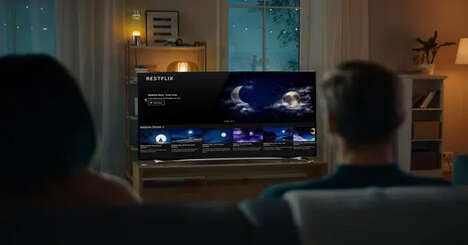
The Norwegian television series called 'Slow TV' is antithetical to the majority of television programming available on major American networks. Rather than constantly striving for viewers' attentions with high-speed chases, sexy scenes, and dramatic cliffhangers, Slow TV's episodes last hours and depict things like the scenery from a train ride or elderly people knitting. But while the show was previously reserved for Norwegians, a new Netflix deal is bringing Slow TV to living rooms worldwide.
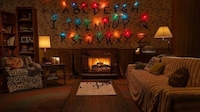
The concept of monotonous TV has been compared to ambient music; it's not about being captivating, but rather about zoning out and calming down. If calmness is the goal, then Slow TV's catalog is perfect: it includes a real-time video of a 7.5 hour train ride from Bergen to Oslo, three 7.5 hour segments of firewood burning, and three 7.5 hour segments of people knitting.
Why This Trend Is Growing
- Slow TV
- The trend of monotonous TV programming that focuses on calmness and uninterrupted content.
- Ambient Television
- The trend towards TV programming that is meant to provide calmness and relaxation rather than stimulation.
- Real-time Video
- The trend of using real-time video in programming that is meant to provide an immersive experience for viewers.
Industries Being Reshaped
- Streaming Services
- Streaming services such as Netflix can capitalize on the trend for ambient television and gain a competitive advantage over traditional TV networks.
- Television Production
- TV production companies can explore the trend towards slow, calming TV programming as a way of differentiating themselves in a crowded market.
- Home Entertainment
- The trend for calm and relaxing TV programming provides an opportunity for home entertainment companies to market products that enhance the viewing experience, such as comfortable seating and lighting.