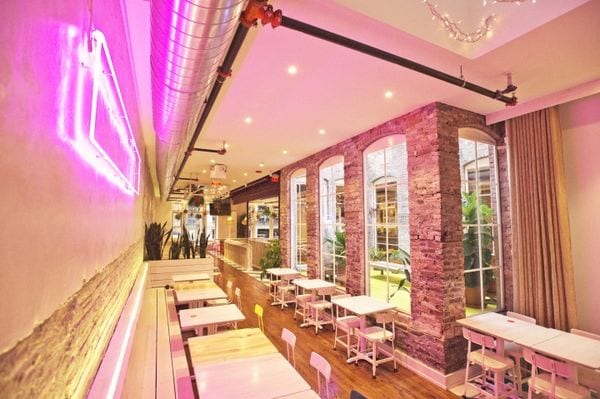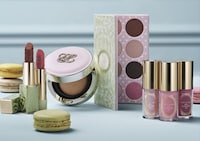
Consumers typically have to venture to different places to enjoy the natural beauty products and organic cosmetics from L’Occitane and French pastry chef and chocolatier Pierre Hermé—but a new shared space in Paris, France, is making it easier than ever to indulge under one roof.
On the Champs Élysées, 86 Champs is set up with a dessert bar where live pâtisserie demonstrations can be viewed, and a coffee station where guests will be able to learn about the art of coffee from the perspective of Pierre Hermé. Finally, the third element of the store introduces a restaurant with savory dishes to cleanse the palate in between enjoying sweets.
L’Occitane's presence in the shared retail space takes the form of an in-store perfumery installation, which also offers a unique take on engaging the senses with its unique and interactive environment.
Why This Trend Is Growing
- Shared Retail Spaces
- The concept of shared retail spaces could be expanded to other industries for greater convenience and efficiency.
- Experiential Retail
- More brands could incorporate live demonstrations and interactive experiences into their retail spaces to engage customers on a deeper level.
- Complementary Product Pairings
- Brands in different industries could capitalize on the success of combining two complementary products or services in one physical location for added convenience and value for customers.
Industries Being Reshaped
- Beauty
- Beauty brands could collaborate with other niche products or services to provide a unique and immersive retail experience.
- Food and Beverage
- Restaurants and food brands could explore partnerships with other complementary products such as beauty or wellness to create shared retail spaces.
- Hospitality
- Hotels and resorts could incorporate experiential retail spaces offering unique product and service pairings to enhance their guest experience and drive revenue.