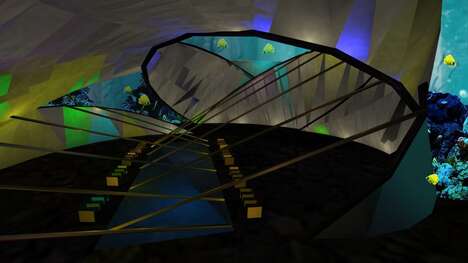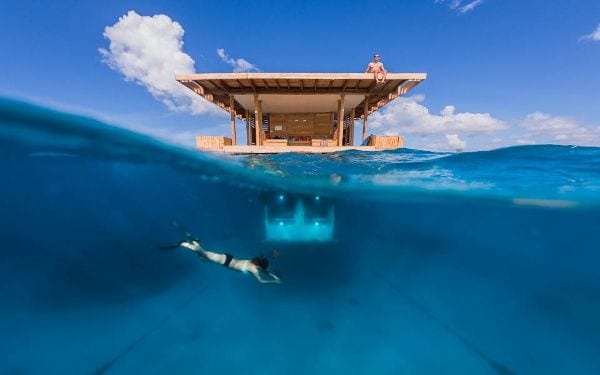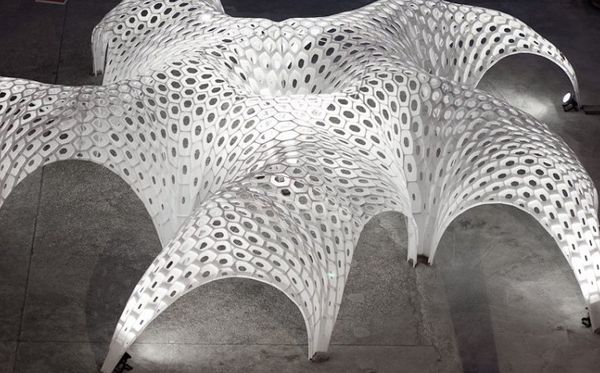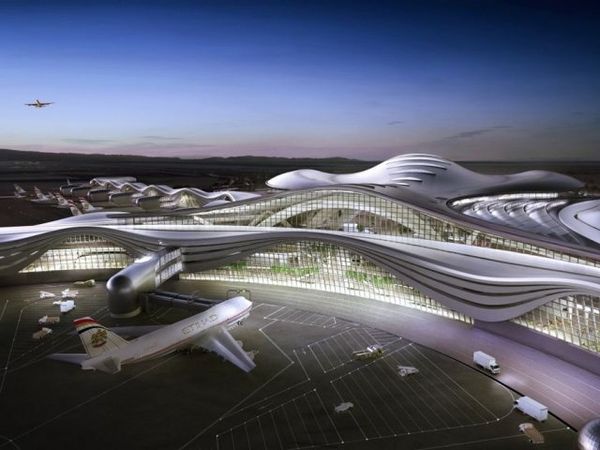
First World building techniques have overwhelmingly lead towards the erection of rigid and unaccommodating structures. Sensory City by Xiaofeng Mei is an innovative proposal for coastal Japan that recognizes the necessity for architectural adaptation at the mercy of the planet's fluctuations.
The project moves into the scale of revolutionary urban planning through which a cluster of skyscrapers and conjoining low-level masses are allowed to shift with every tectonic tremor, tidal wave and storm. The Sensory City by Xiaofeng Mei could stand for many hundreds of years with its capacity to evolve flexibly with the landscape.
What makes the concept even more organically responsive is its proposal to absorb a wide range of natural resources, including the energy of the earth's transformations to enable a widely eco-friendly lifestyle.
What Makes This Trend Stand Out
- Environmentally Adaptable Architecture
- Sensory City's flexible designs demonstrate the trend of creating architectural structures that can adapt to environmental changes.
- Revolutionary Urban Planning
- Sensory City represents the trend of designing urban spaces that can shift and evolve with natural phenomena like earthquakes and storms.
- Eco-friendly Lifestyles
- Sensory City's utilization of natural resources highlights the trend of incorporating sustainable practices into everyday living.
Sectors Adopting This
- Architecture
- The Sensory City concept presents disruptive innovation opportunities for architects to design adaptable structures that can withstand natural disasters.
- Urban Planning
- The concept of shifting and evolving urban spaces offers disruptive innovation opportunities for urban planners to create resilient cities that can better withstand environmental challenges.
- Renewable Energy
- Sensory City's proposal to absorb and utilize natural resources represents an opportunity for renewable energy industries to collaborate and provide sustainable energy solutions for adaptive architectural designs.