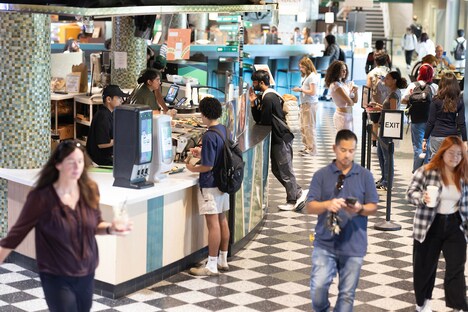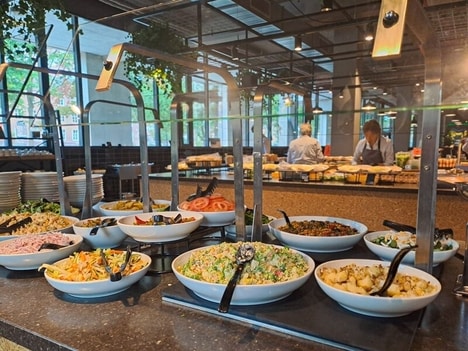
Chartwells K12 has marked the conclusion of the school year by showcasing a series of innovative programs designed to transform school cafeterias from simple dining spaces into vibrant hubs of student engagement, cultural exploration, and hands-on culinary education.
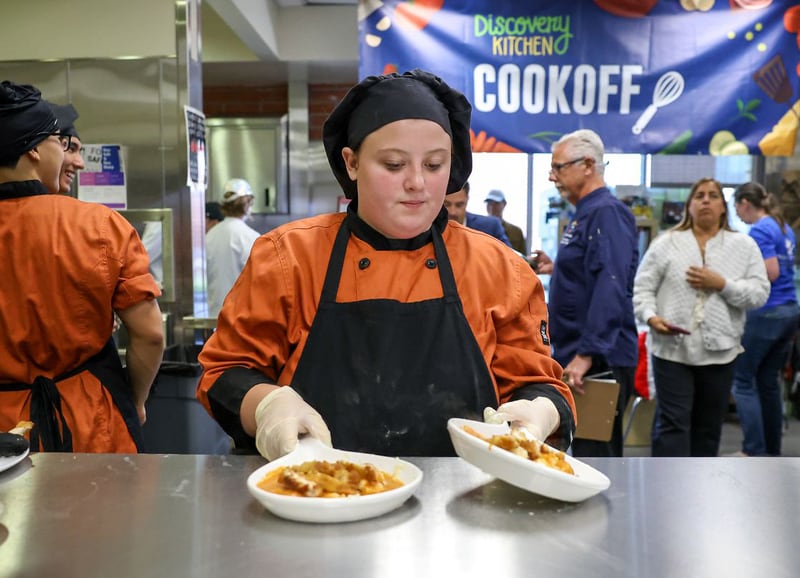
Noteworthy Chartwells K12 initiatives range from Global Eats events that introduce authentic international flavors to Discovery Kitchen Cook-Offs that challenge students to create original recipes. The company's Farmers Market partnerships bring local produce directly to schools, where students participate in shopping simulations, learn about nutrition and budgeting, and engage with agricultural representatives. This is demonstrated, for example, by a Michigan event that featured live bee observation, a petting zoo, and discussions with farm bureau experts. Additionally, the Navigate Foundation program offers immersive culinary boot camps followed by paid internships in commercial school kitchens. This particular school cafeteria program provides students with real-world experience alongside professional chefs and creates tangible career pathways into the foodservice and hospitality industries.
Image Credit: Chartwells K12
Key Themes Behind This Trend
- Experiential Cafeterias
- School dining spaces are evolving into interactive learning environments where food, culture, and student participation create new models for engagement beyond traditional meal service.
- Student Culinary Pathways
- Paid kitchen internships and chef-led boot camps signal a growing opportunity to connect K-12 foodservice programs with early workforce development and hospitality talent pipelines.
- Localized Food Education
- Farmers market partnerships, produce simulations, and agricultural demonstrations bring nutrition, budgeting, and supply chain literacy into schools through place-based food experiences.
Where This Applies
- K-12 Education
- Cafeteria-centered programming expands the role of schools as career-readiness and cultural learning platforms, creating new value in spaces once treated as purely operational.
- Foodservice
- Institutional dining providers are gaining room to differentiate through immersive culinary events, student co-creation, and educational programming tied to everyday meal experiences.
- Agriculture
- Local growers and farm organizations can become more visible education partners as schools integrate produce sourcing, live demonstrations, and agricultural literacy into student life.