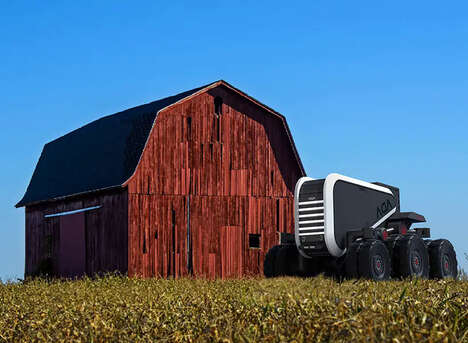
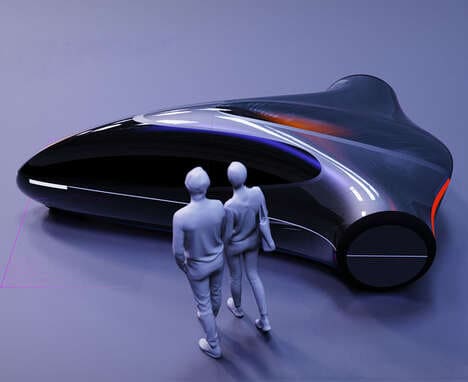
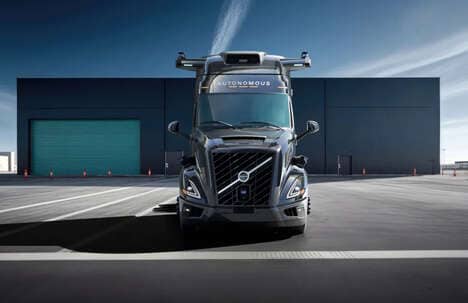
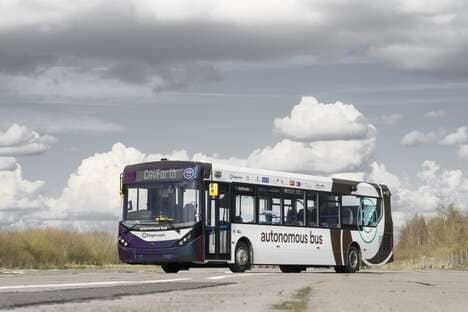
Europe's SARTRE (Safe Road Trains for the Environment) project is well underway after its first successful road test. The SARTRE project has created a new technology where vehicles will be able to drive themselves in long road trains on highways -- a practice called platooning.
According to Motor Authority, the SARTRE project's goal is to "improve traffic flow and journey times, offer greater comfort to drivers, reduce accidents, and improve fuel consumption and hence lower CO2 emissions."
What's Driving This Trend
- Self-driving Vehicles
- Creating a new era of transportation, self-driving vehicles can improve traffic flow, reduce accidents, and offer greater comfort and safety to passengers.
- Connected Vehicles
- By allowing vehicles to communicate with each other through a connected network, traffic flow can be improved while reducing fuel consumption and CO2 emissions.
- Smart Highways
- Integrating advanced technologies such as IoT, sensors, and AI can transform highways into safer and more efficient transportation networks.
Who This Affects Most
- Automotive Industry
- Self-driving vehicles represent a disruptive innovation opportunity for automobile manufacturers and software companies to develop new products, services, and business models around this technology.
- Transportation and Logistics Industry
- Connected vehicles and smart highways can revolutionize the transportation and logistics industry by reducing traffic congestion, improving productivity, and increasing sustainability.
- Energy and Environment Industry
- Self-driving and connected vehicles, as well as smart highways, can help reduce carbon emissions and improve the sustainability of the energy and environment industry.