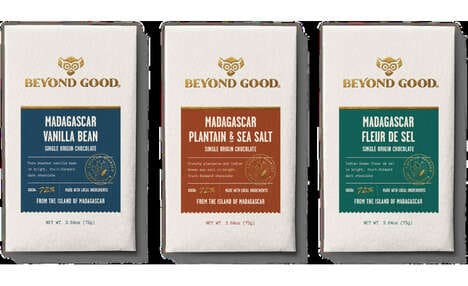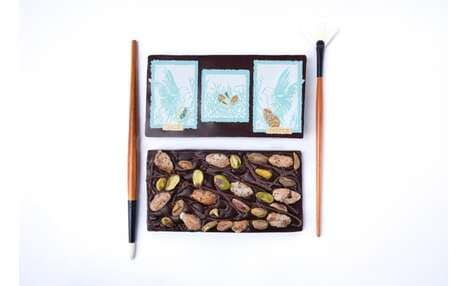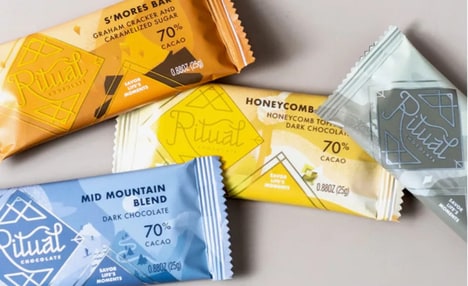
This rustic chocolate branding uses color to differentiate itself from other brands on the market, as well as to identify where the chocolate comes from.
'Lyra' is known for its premium quality chocolates and its newest collection of them is no different, with a wide variety of the luxurious treat made from cocoa beans that are sourced from Middle and South America. The chocolate branding features a variety of different colors that each mark the different region from which the chocolates' ingredients come from. Minimalist stamps reveal the countries the chocolates originate from as well, while others show the type of chocolate and cocoa percentage.
This rustic chocolate branding is somewhat reminiscent of passports, evoking travel imagery in the mind of the consumer that makes them more likely to be curious about the product itself.
Why This Trend Is Growing
- Regional Sourcing
- Leveraging color and minimalist stamps to indicate the origin of ingredients is a disruptive innovation opportunity for brands to emphasize regional sourcing.
- Travel-inspired Branding
- Using packaging that evokes travel imagery, like passports, can create curiosity and engagement among consumers, presenting a disruptive innovation opportunity for brands.
- Color-coded Differentiation
- Using color as a distinctive element in chocolate branding can help brands stand out in a crowded market, presenting a disruptive innovation opportunity for differentiation.
Industries Being Reshaped
- Chocolates
- The chocolate industry can benefit from adopting rustic packaging techniques to highlight regional sourcing and differentiate their products.
- Food Packaging
- In the food packaging industry, there is an opportunity to explore innovative designs inspired by travel and color-coded differentiation to enhance customer engagement.
- Luxury Goods
- Luxury brands can seek disruptive innovation opportunities by incorporating rustic chocolate branding techniques that evoke a sense of travel and quality differentiation.