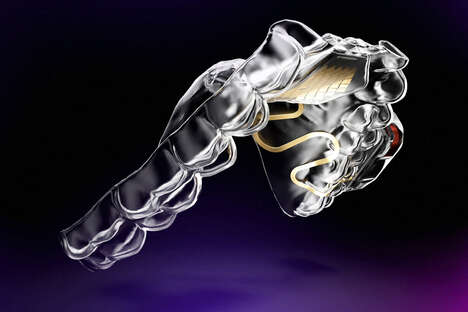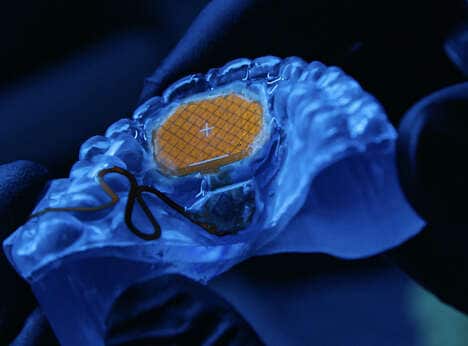

IBM has created a robotic tongue prototype, called the Hypertast, in order to test hazardous chemicals. The robotic tongue will give researchers the ability to analyze a number of different, potentially dangerous chemicals. The Hpyertaste is a midsize electrochemical sensor, where other designs are either very large and powerful or small and weaker.
Other electrochemical sensors are created with the ability to only evaluate a single molecule. However the Hypertaste is able to operate much more similar to human taste buds, this allows the device to detect different substances without changing the components on the Hypertaste. IBM's robotic tongue is able to more dynamic than other models due to the its use of electrode pairs. Which are able to process a combination of molecules.
Image Credit: IBM Research
Key Themes Behind This Trend
- Robotic Tongues
- The development of robotic tongues presents disruptive innovation opportunities in the field of chemical analysis and testing.
- Electrochemical Sensors
- Advancements in electrochemical sensors can lead to disruptive innovations in the detection and evaluation of hazardous chemicals.
- Human-like Sensing Technology
- The creation of human-like sensing technology, such as the Hypertaste, opens up disruptive innovation possibilities for diverse industries that require accurate and efficient chemical analysis.
Where This Applies
- Chemical Analysis
- The use of robotic tongues like the Hypertaste can revolutionize the field of chemical analysis by providing faster, safer, and more reliable testing methods.
- Health and Safety
- Incorporating advanced electrochemical sensors in health and safety industries can enhance chemical hazard detection and prevention, improving overall workplace safety.
- Food and Beverage
- Human-like sensing technology, such as robotic tongues, can disrupt the food and beverage industry by enabling more accurate taste testing and quality control processes.