Roasting Partner brought its roastery operating system to outside coffee roasting businesses, giving roasters a single place to run daily work instead of splitting it across separate records. Launched in October, the software serves as a central hub rather than just a roast logger, linking each roast to its costs and compliance paperwork as operating data changes.
Direct support for Mill City Roasters machines lets roast data flow into the same system that tracks lot history, cutting re-entry between shop-floor and office tasks, the company says. It also connects with QuickBooks Online, pulling accounting closer to the batches and orders that created it.
Roasting Partner shows how a roastery operating system can link roast data, lot history, costs, and compliance paperwork for outside roasters, with plans starting at $449 per month.
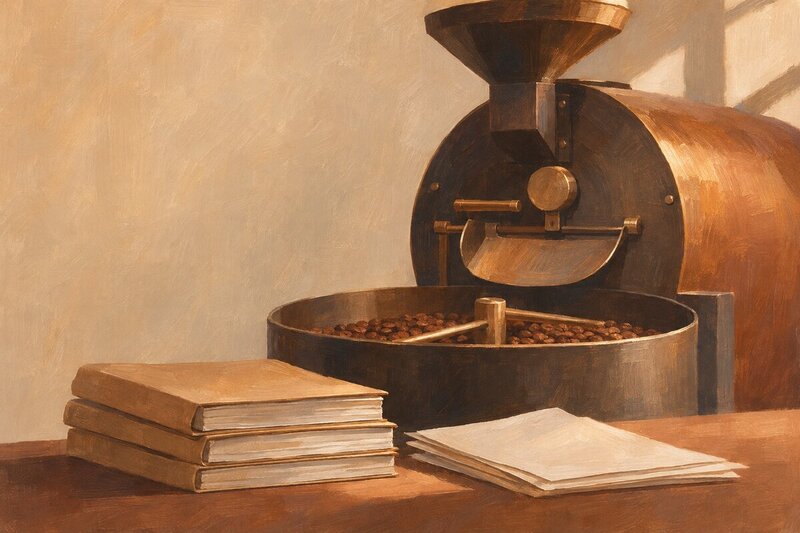
Image Credit: AI-generated
What's Driving This Trend
- Unified Roastery Platforms
- Centralized operating systems for specialty coffee businesses reveal space for tools that merge production, costing, traceability, and compliance into one workflow.
- Machine-connected Production Data
- Direct integrations with roasting equipment create openings for real-time operational intelligence that reduces manual entry and improves batch-level accuracy.
- Embedded Coffee Compliance
- Compliance documentation tied to roast and lot records points to new software models that make regulatory readiness a built-in part of daily production.
Who This Affects Most
- Specialty Coffee
- Independent roasters are becoming a stronger market for vertical software that reflects the specific economics and traceability demands of coffee production.
- Food Manufacturing Software
- Batch-based food producers may benefit from platforms that connect shop-floor activity with inventory, accounting, and documentation systems.
- Accounting Technology
- Finance tools linked directly to production events suggest growth potential for accounting systems that capture costs at the source of operational activity.