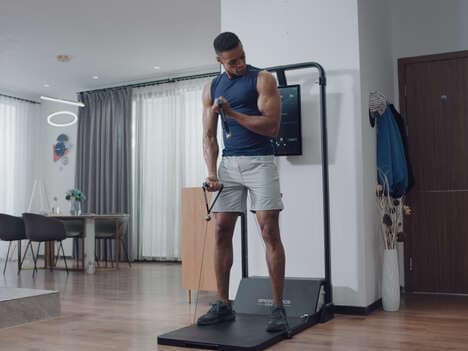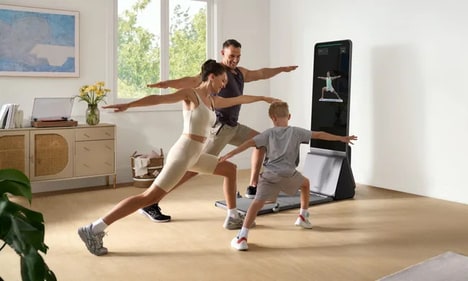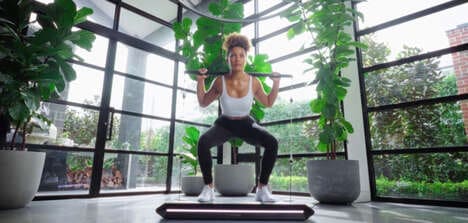
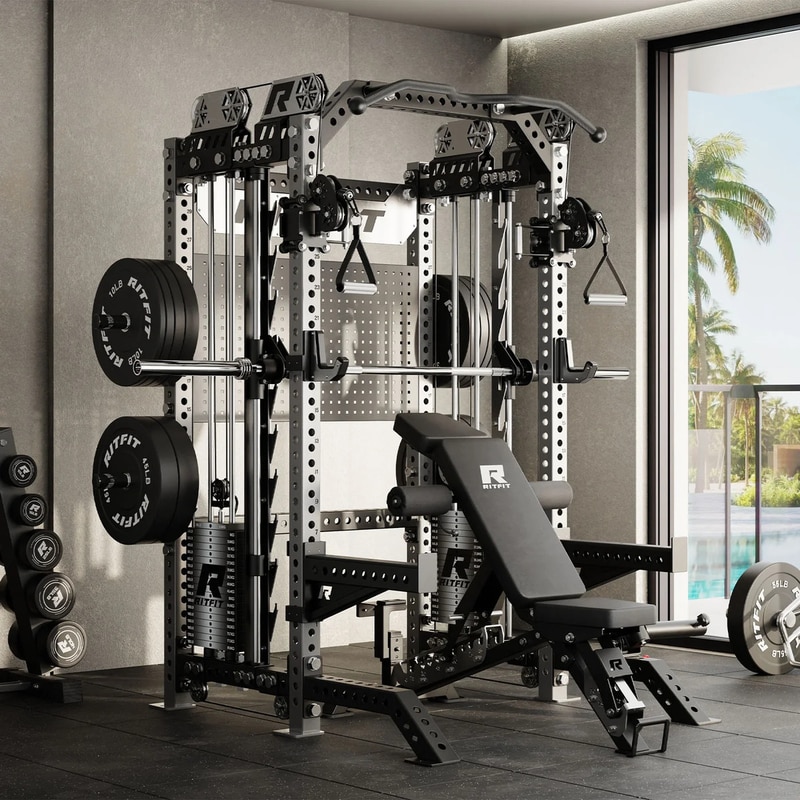
Home gyms come with an inherent space constraint, and while the appeal of specialized equipment is real, most homeowners can only realistically fit, afford and use so many dedicated pieces before the setup becomes impractical, and the RitFit M3 recognizes this. This new, all-in-one home gym system from RitFit combines a Smith machine, power rack, and 16-pulley cable crossover into a single unit with a 21.5 square foot footprint to deliver "a commercial-grade training setup in a space about the size of a parked motorcycle."
The M3 is the machine at the focus of RitFit's Strength Built at Home campaign, a collaboration that shows home gym owners how LA Galaxy midfielder Marco Reus uses the equipment as part of his home setup to support training and competing at a professional level.
What Makes This Trend Stand Out
- Space-efficient Strength Systems
- Compact multi-function machines signal a shift toward premium strength training formats that fit into apartments, garages, and spare rooms without requiring dedicated fitness spaces.
- Professional-grade Home Training
- Athlete-caliber equipment entering residential settings creates new room for brands to blur the boundary between commercial gym performance and everyday consumer convenience.
- All-in-one Fitness Platforms
- Integrated racks, pulley systems, and guided training structures are reshaping home gym value around consolidation, versatility, and reduced equipment redundancy.
Sectors Adopting This
- Home Fitness Equipment
- Manufacturers are finding white space in commercial-quality systems designed for smaller footprints, higher perceived value, and broader household usability.
- Residential Real Estate
- Smaller home gym footprints make fitness amenities more viable in condos, townhomes, and compact properties where wellness space can influence lifestyle positioning.
- Sports Training Technology
- Professional athlete partnerships and home-based performance setups point to new hybrid models where elite training routines become accessible consumer experiences.