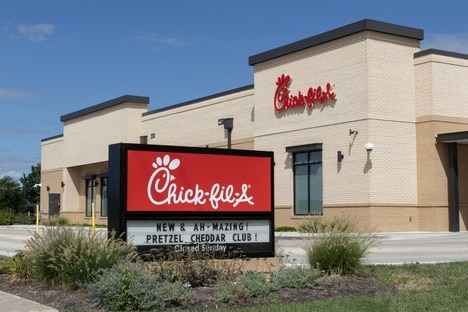
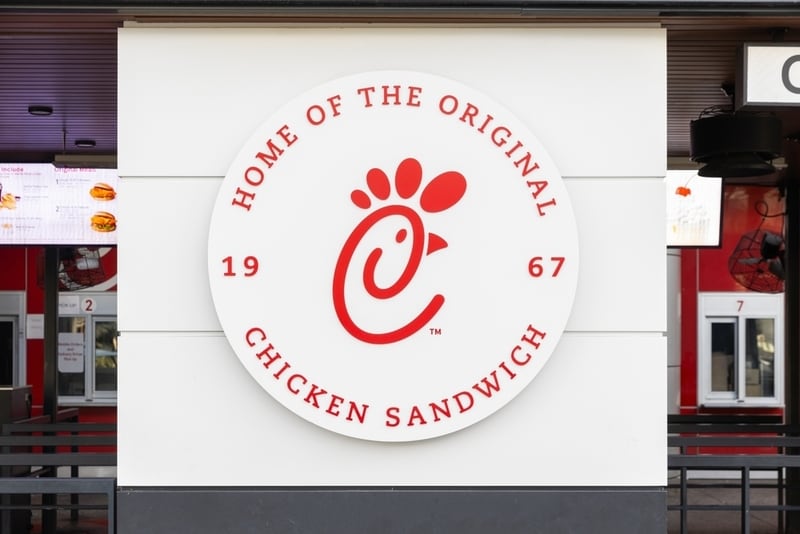
A Chick-fil-A location in Towson Place, Maryland, introduced the 'Cell Phone Coop Challenge,' which rewarded customers who stored their phones in a designated white box for the duration of their dine-in meal with a free vanilla ice cream cone. Participants ask a team member for the coop at the start of their meal and notify staff when they are finished to claim the reward.
The concept originated in 2016 with Brad Williams, an owner-operator of two Chick-fil-A locations in Georgia, who created the coop to encourage connection among diners. The Maryland location revived the initiative after Chick-fil-A confirmed it was not a nationwide program.
As screen fatigue continues to grow, activations like this show how restaurant operators can use simple, low-cost incentives to encourage more meaningful in-person experiences.
Image Credit: Shutterstock/Joseph Hendrickson
What's Driving This Trend
- Screen-free Dining
- Restaurants are turning device-free meals into memorable guest experiences through small incentives that reinforce social connection and table engagement.
- Analog Loyalty Rewards
- Low-cost rewards tied to offline behaviors create fresh loyalty mechanics for brands seeking differentiation beyond app-based promotions.
- Mindful Hospitality
- Growing screen fatigue is expanding demand for hospitality concepts that frame presence, relaxation, and interpersonal interaction as part of the value proposition.
Who This Affects Most
- Quick-service Restaurants
- Fast-food operators can distinguish dine-in visits with simple experiential perks that make physical locations feel more socially rewarding than digital ordering alone.
- Customer Loyalty
- Reward platforms are evolving to include behavioral challenges that recognize attention, participation, and shared experiences rather than only transactions.
- Family Entertainment
- Venues centered on group outings benefit from phone-free formats that make real-world interaction a more intentional part of the leisure experience.