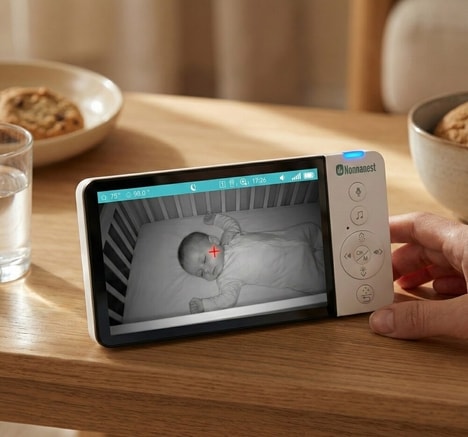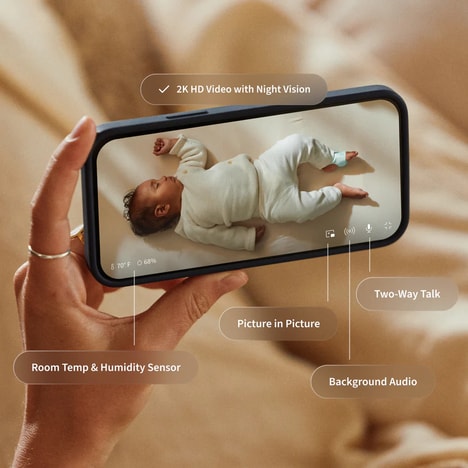
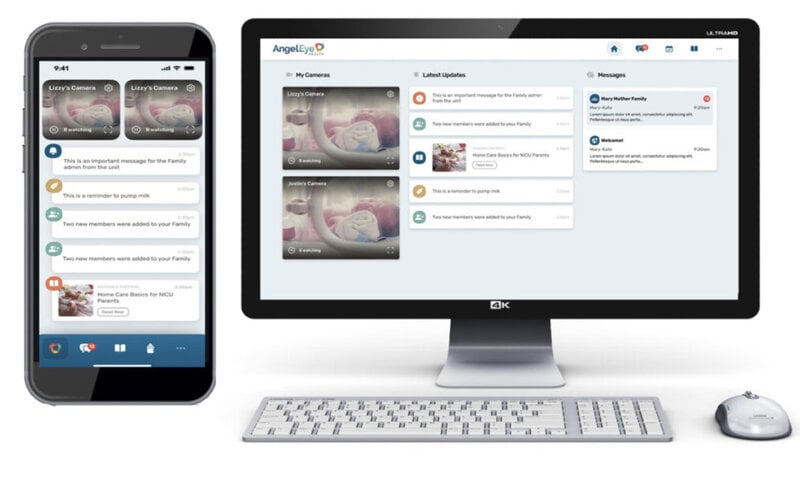
Royal Victoria Regional Health Centre is adding the AngelEye CameraSystem to its neonatal intensive care unit, becoming the first hospital in Canada to offer families secure remote views of a newborn's bedside. The setup works on phones, tablets and computers, so parents and loved ones can check in when recovery, work or travel keeps them away.
AngelEye combines a protected live video feed with care-team updates, keeping families involved beyond in-person visits. It also helps mothers stay connected during pumping and feeding routines. At RVH in Barrie, Ontario, that matters in a unit that admits nearly 400 newborns each year.
Canada-first AngelEye access turns bedside cameras into a family-facing hospital service, not just an internal monitoring tool. Secure viewing on personal devices gives NICUs a way to reduce separation strain and extend participation without changing the unit's footprint.
Image Credit: AngelEye
What Makes This Trend Stand Out
- Remote Bedside Access
- Secure live-streaming tools are reframing hospital visibility by giving families continuous presence in high-stress care environments without expanding physical visitation.
- Family-centered Care Platforms
- Digital updates, video access and communication features create new service models that make relatives more active participants in clinical journeys.
- Connected Neonatal Support
- Device-based NICU engagement introduces opportunities for integrated feeding, bonding and recovery support that extends beyond the hospital room.
Sectors Adopting This
- Healthcare Technology
- Protected camera systems and patient-family portals are expanding the market for secure clinical communication infrastructure.
- Hospital Services
- Neonatal units can differentiate care experiences through remote access offerings that address emotional well-being alongside medical treatment.
- Maternal and Infant Care
- Remote connectivity solutions are reshaping postpartum support by linking parents to newborns during pumping, recovery and unavoidable separation.