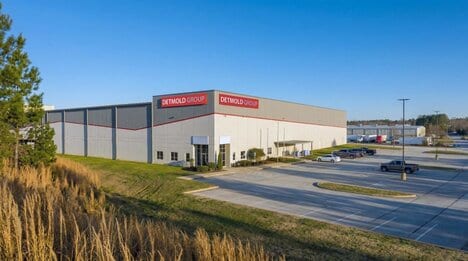

Traditional Medicinals is expanding its tea business with a new Virginia manufacturing facility that has begun production. The 110,000-square-foot site gives the herbal-wellness brand a second U.S. plant and a stronger East Coast base for producing tea closer to more shoppers.
The first run is 'Throat Coat Tea,' a long-running blend featuring slippery elm, an ingredient sourced throughout Appalachia. The all-electric facility also supports cleaner operations, and its local hiring adds a community connection to the production story.
For brands, this move shows that manufacturing can do more than add capacity; it can tighten supply, shorten distribution paths, and reinforce a purpose-led identity. It also puts pressure on tea makers to consider where their products are produced, not just what is in the cup.
Image Credit: Traditional Medicinals
What Makes This Trend Stand Out
- Regional Wellness Manufacturing
- Localized production models are reshaping herbal wellness by reducing distribution distances while strengthening ties to nearby ingredient sources and consumer markets.
- All-electric Food Facilities
- Cleaner manufacturing infrastructure is creating differentiation for consumer brands that want operational sustainability to be visible within their product story.
- Place-based Ingredient Stories
- Regionally sourced botanicals are adding provenance value to everyday wellness products and helping brands connect functional benefits with cultural and ecological identity.
Sectors Adopting This
- Herbal Tea
- The category is evolving as manufacturers pair traditional formulations with localized production footprints that support faster replenishment and stronger brand trust.
- Sustainable Manufacturing
- Electrified facilities are becoming a competitive marker as companies seek lower-emission operations without separating sustainability from growth.
- Functional Beverages
- Consumer interest in wellness benefits is expanding opportunities for beverage brands that combine recognizable ingredients with transparent sourcing and production narratives.