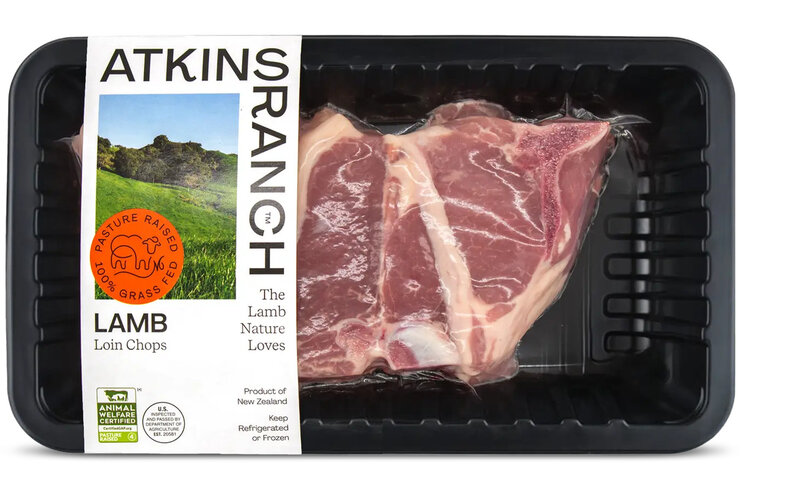
Atkins Ranch is expanding its regenerative meat blends with 'Primal Blend Ground Lamb,' a ground lamb mix that incorporates liver and heart into grass-fed lamb cuts for people seeking more protein-dense meals. The nationwide rollout gives Paleo, keto and other protein-conscious shoppers a single package that adds organ meats without changing their basic dinner format.
The lamb comes from more than 100 family farms, and 79% of those farms have 'Land to Market' verification. That verification tracks ecological outcomes tied to regenerative land management, while the sourcing keeps the product tied to farms that aim to improve soil health and protect natural resources.
Available at Whole Foods Market stores nationwide starting Oct. 21, the blend brings regenerative lamb into a mainstream grocery setting. It widens shelf space for organ-inclusive meats, making a niche protein format easier to buy during everyday shopping trips.
Image Credit: Perishable News
Why This Trend Is Growing
- Organ-enhanced Staples
- Everyday meat formats that incorporate liver, heart and other nutrient-dense cuts create room for premium products that normalize functional whole-animal eating.
- Regenerative Protein Verification
- Ecological outcome tracking adds a differentiated trust layer for shoppers, giving meat brands new ways to compete beyond taste, price and basic sustainability claims.
- Mainstream Paleo Convenience
- Protein-conscious diets are moving further into standard grocery channels, where simplified meal solutions can bridge niche nutrition preferences with routine household purchasing.
Industries Being Reshaped
- Grocery Retail
- National shelf placement for regenerative organ blends signals potential for retailers to expand better-for-you meat assortments without requiring specialty-store shopping behavior.
- Meat Processing
- Blended ground formats offer processors a path to increase carcass utilization while positioning underused cuts as convenient, high-value nutrition products.
- Sustainable Agriculture
- Regenerative sourcing tied to verified ecological outcomes strengthens the commercial case for farm networks built around soil health, biodiversity and resource stewardship.