
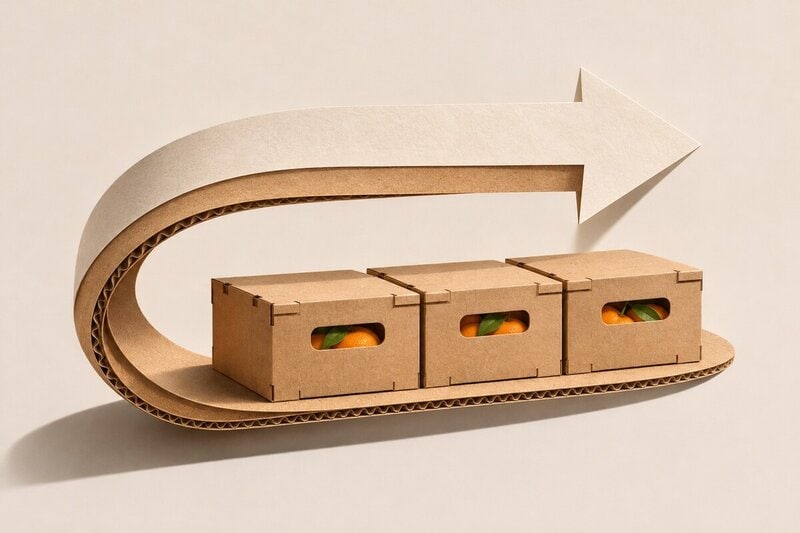
Reduced-plastic produce packaging is helping Fyffes rethink how bananas and pineapples are prepared for distribution. The company is introducing packaging alternatives that minimize unnecessary materials while maintaining the freshness and protection of its fruit. Its redesigned banana packing system uses 46% less plastic per container, saving approximately 16 kilograms of material.
Another development replaces plastic-backed paper bands with a system that removes the plastic layer entirely. Fyffes is also increasing recycled content in polypack packaging while testing compostable banana bags, paper tags, and plastic-free pineapple labels. Additional paper-based formats remain under evaluation with packaging suppliers.
For Fyffes, these changes could reduce dependence on virgin plastic and limit packaging waste throughout its supply chain. Developing multiple solutions may also help the company accommodate different market requirements while supporting more resource-efficient packaging practices.
Image Credit: AI-generated
Why This Trend Is Growing
- Reduced-plastic Produce Packs
- Material-light fruit packaging creates room for suppliers to cut waste while preserving durability, freshness, and retail-ready handling standards.
- Compostable Fruit Packaging
- Compostable bags, tags, and labels point to new packaging models that align produce distribution with circular waste systems.
- Recycled-content Polypacks
- Higher recycled content in flexible produce packs signals potential for lower reliance on virgin plastic without abandoning existing packing formats.
Industries Being Reshaped
- Fresh Produce
- Fruit growers and distributors are seeing packaging become a differentiator as retailers and consumers scrutinize waste across perishable supply chains.
- Sustainable Packaging
- Packaging suppliers have opportunities to develop paper-based, plastic-free, and compostable formats that meet the performance demands of global food logistics.
- Grocery Retail
- Retailers benefit from reduced-waste produce formats that support sustainability goals while maintaining product visibility, quality, and shelf efficiency.