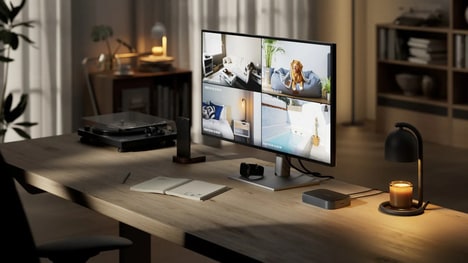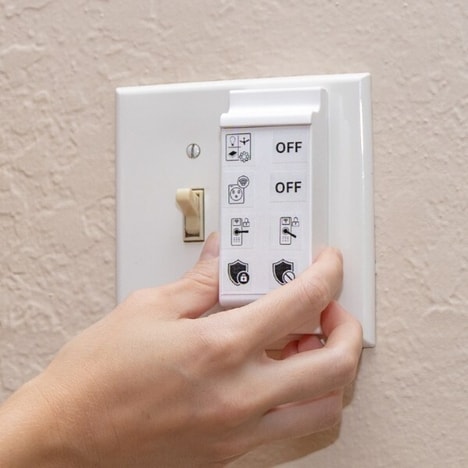
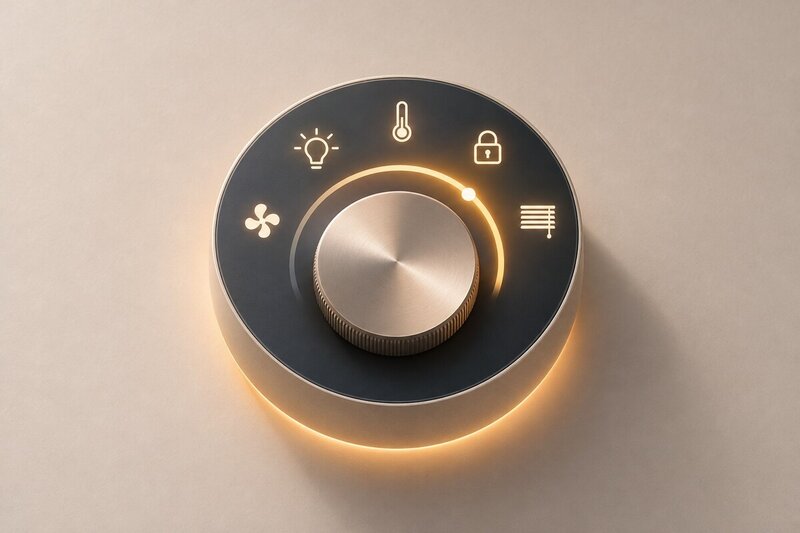
SwitchBot built the Hub 4 around physical input, adding a large dial and touchscreen so family members can change scenes and device settings without the app. The fourth-generation hub still responds to Hello Kata voice commands. A 2.8-inch color touchscreen also shows time, weather, and indoor climate readings.
Built-in heat and humidity sensors can start routines automatically, and Matter, a shared smart-home standard, lets the screen show extra data such as CO2 from compatible devices. The dial handles quick changes to volume or curtain position, turning the hub into a shared control point.
The Hub 4 is sold through SwitchBot for $119.99 in the U.S. and £129.99 in the U.K. Europe gets it at €129.99. A sub-$130 U.S. price gives SwitchBot a practical pitch to homes that want one interface everyone can use.
What's Driving This Trend
- Tactile Smart-home Interfaces
- Physical controls paired with touchscreens create more inclusive connected-home experiences for users who prefer shared, app-free interaction.
- Ambient Sensor Automation
- Integrated climate and environmental sensors expand smart hubs into context-aware systems that personalize routines without constant manual input.
- Matter-based Device Unification
- Cross-brand smart-home compatibility enables centralized displays to aggregate device data and reduce ecosystem fragmentation for households.
Who This Affects Most
- Smart Home Technology
- Accessible control hubs signal opportunities for connected-device makers to compete on usability, interoperability, and household-wide adoption.
- Consumer Electronics
- Affordable multifunctional displays illustrate how everyday hardware can blend environmental monitoring, voice control, and physical inputs in compact formats.
- Home Automation Services
- Standardized smart-home platforms create room for service providers to design installation, configuration, and support models around simpler shared interfaces.