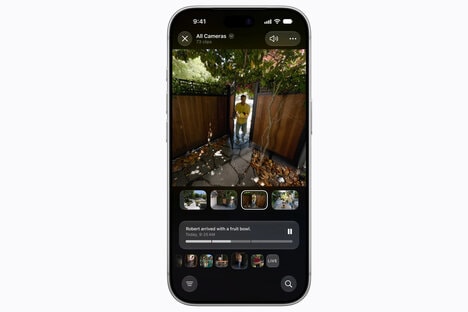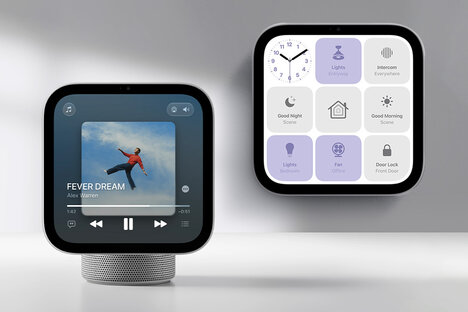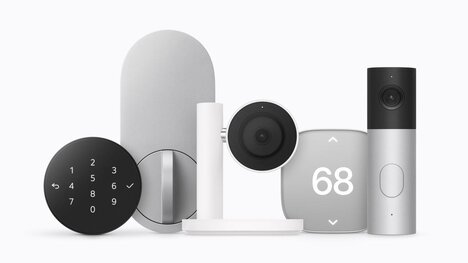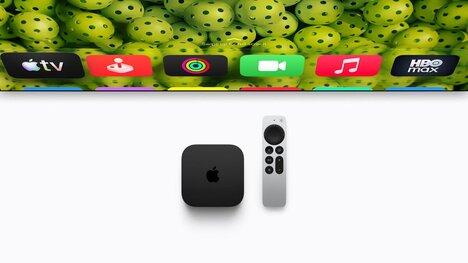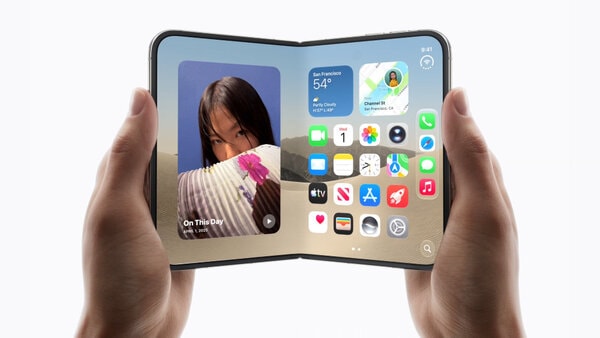

Apple is adding HomeView, a display for entertainment and home control, and a fourth-generation Apple TV 4K with Siri AI. HomeView can recognize up to six people by face, so households can open their own Home Screen instead of sharing one layout.
In terms of structure, HomeView comes in tabletop and wall-mounted versions, and both products are due Friday, November 13 after mid-October preorders. The Apple TV 4K also gets a Siri Remote with Find My for locating a misplaced controller, while HomeView will skip the European Union because Siri AI is still unavailable on iOS there.
At $299 each, Apple makes the choice between its display and streaming box more about use than price. The European Union gap for HomeView also turns regional AI rules into a hardware limit, narrowing where Apple's smart-home screen can compete first.
Image Credit: Apple
Why This Trend Is Growing
- Personalized Home Interfaces
- Face-recognized home screens create openings for household-specific media, controls, and recommendations that adapt to individual routines within shared spaces.
- AI-embedded Entertainment Hubs
- Siri-powered streaming and display devices point to living-room platforms where voice intelligence, content discovery, and smart-home orchestration merge.
- Regulation-shaped Device Rollouts
- Regional AI availability is becoming a hardware market constraint, creating uneven competitive landscapes for connected-home product launches.
Industries Being Reshaped
- Smart Home Technology
- Multiuser displays expand the role of home-control ecosystems by linking identity, automation, security, and entertainment into one interface.
- Consumer Electronics
- Comparable pricing between smart displays and streaming boxes signals product differentiation based on use cases rather than traditional device categories.
- Digital Media Streaming
- AI-enhanced remotes and personalized TV experiences introduce new pathways for content platforms to improve discovery and household-level engagement.