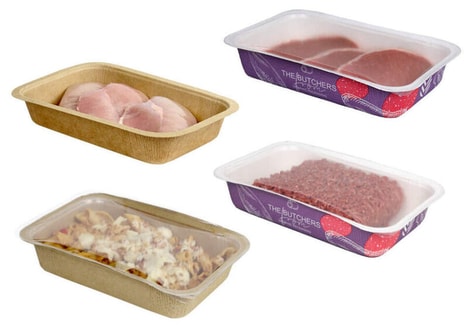
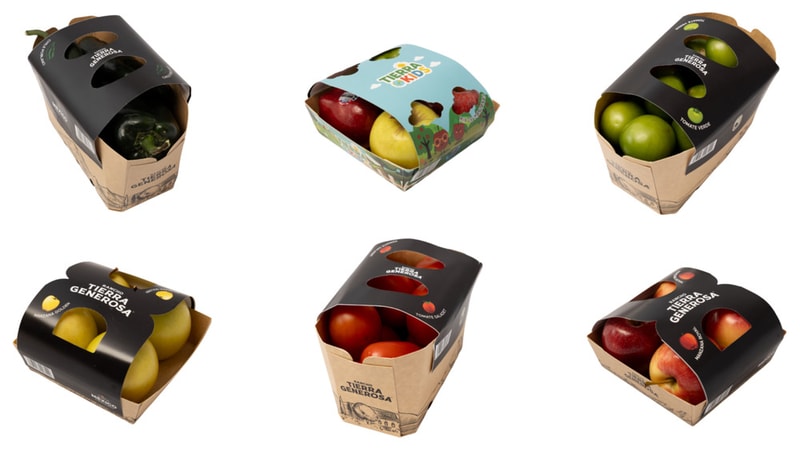
Linerless produce packaging, developed by Ravenwood Packaging in partnership with Troya Alimentos, is a tray-based system that replaces plastic nets and traditional labels with fibre trays and linerless labeling technology. The solution uses Ravenwood’s Nobac applicator to apply labels without backing material, reducing waste while creating retail-ready packs for fresh produce like avocados, tomatoes and citrus. By combining packaging and labeling into a single streamlined format, the system simplifies handling and improves overall efficiency across the supply chain.
This approach helps brands lower material usage and reduce packaging-related costs while aligning with regulations targeting single-use plastics. It also improves shelf appeal and standardization for retailers, supporting merchandising and inventory management. As sustainability becomes a key purchasing factor, such systems offer companies a scalable way to modernize packaging and strengthen their market positioning.
Image Credit: Ravenwood
What Makes This Trend Stand Out
- Linerless Labeling
- A move toward labels without backing material that significantly reduces packaging waste and enables thinner, more adaptable labeling formats for fresh produce.
- Fiber-based Trays
- Growing adoption of molded fiber trays as replacements for plastic nets and clamshells that offer compostability and improved structural cushioning during transport.
- Integrated Pack-label Systems
- Combining tray design and labeling into a unified retail-ready format that standardizes SKU presentation and simplifies supply-chain handling.
Sectors Adopting This
- Fresh Produce Supply Chain
- Shifts in primary packaging toward linerless, fibre trays have implications for palletization, cold-chain efficiency, and waste footprints across growers, packers, and distributors.
- Retail Merchandising
- Standardized, shelf-ready linerless packs influence planogram consistency and consumer-facing branding while easing in-store stocking and inventory scanning.
- Packaging Equipment Manufacturing
- Demand for applicators and tray-converting machinery that handle linerless labels and fiber substrates creates opportunities for new machine designs and retrofits.