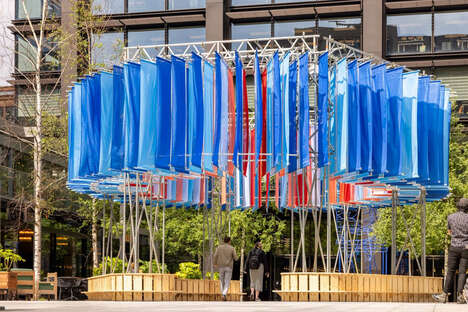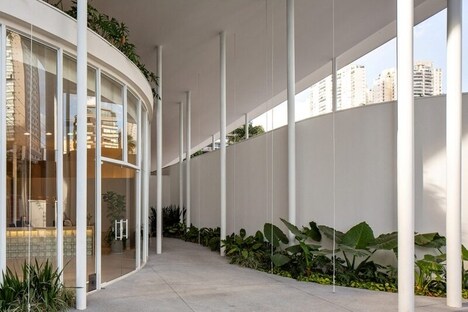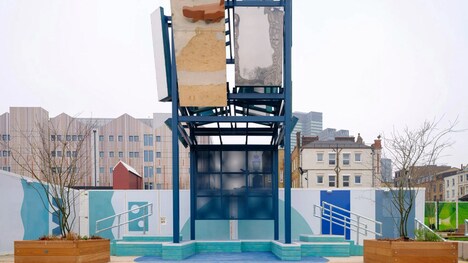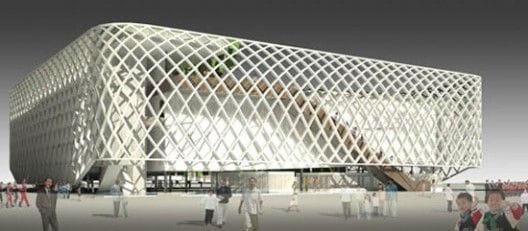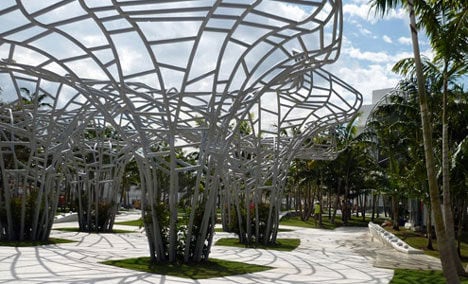

The gleaming, glittering structure before you is a recycled CD pavilion. It's pretty amazing what can be used to make architectural creations -- even objects that will soon be obsolete suddenly become useful.
That's one reason why architects Arielle Blonder, Guy Austern and Mushit Fidelman designed the recycled CD pavilion. Using a program titled CDesign, they constructed it by interpreting CDs as two-dimensional building blocks that form together as a three-dimensional structure.
What Makes This Trend Stand Out
- Recycled Architecture
- The trend of using recycled materials and objects to create architectural structures, such as the CD pavilion, presents opportunities for sustainable and innovative designs.
- Obsolete Object Repurposing
- The trend of repurposing soon-to-be obsolete objects, like CDs, into functional structures like the pavilion, opens up possibilities for creative and eco-friendly solutions.
- Sustainable Design
- The trend of incorporating sustainable design principles, as seen in the recycled CD pavilion, offers opportunities for eco-conscious innovation in the architecture industry.
Sectors Adopting This
- Architecture
- The architecture industry can explore disruptive innovation by embracing the use of recycled materials and objects to create visually stunning and sustainable structures.
- Construction
- The construction industry can capitalize on the trend of repurposing soon-to-be obsolete objects, like CDs, for building projects, allowing for more sustainable and unique construction practices.
- Environmental Sustainability
- The environmental sustainability industry can find disruptive innovation opportunities by promoting and supporting the use of recycled materials in architectural and construction projects, as demonstrated by the recycled CD pavilion.