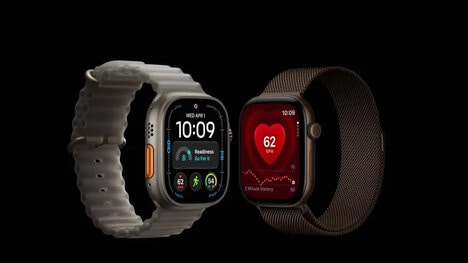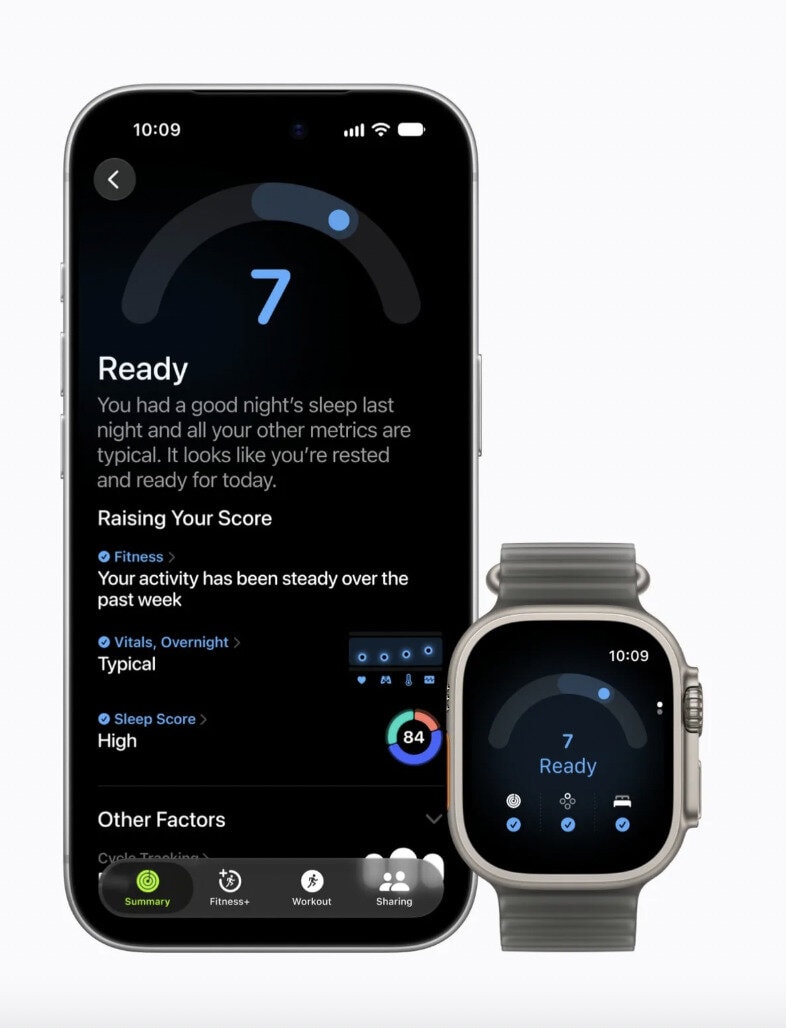
Apple's Readiness score is a daily recovery metric built into the Apple Watch Series 12 and Ultra 4, featuring a 0-to-10 score based on recent activity, training load, vital signs and sleep. The feature relies on redesigned optical and electrical heart sensors with larger green LEDs to power its measurements. It calculates heart rate readings every five seconds and measures heart-rate variability every five minutes, feeding overnight HRV into a personal baseline so the score can be revised as new data arrives.
The Readiness experience packages guidance that ranges from recovery to increased activity and is positioned as Apple’s answer to recovery-focused fitness tracking. The score is unavailable on Series 11, Series 10, Series 9, Ultra 3 and Ultra 2 despite those models running the same watchOS.
The most data-dense recovery coaching is tied to specific hardware that samples vitals more frequently. Owners of recent pre-Series 12 watches keep core tracking but will not receive Readiness unless they move to the models with the new sensors.
Image Credit: Apple
Why This Trend Is Growing
- Hardware-locked Wellness Features
- Premium health metrics tied to exclusive device sensors create differentiation opportunities around upgrade-driven digital services and personalized coaching ecosystems.
- Continuous Recovery Scoring
- Always-on vitals sampling enables more dynamic readiness insights, opening space for adaptive fitness, workplace wellness and preventive health platforms.
- Sensor-enhanced Personalization
- Richer biometric baselines can support more precise recommendations across sleep, training and stress management experiences.
Industries Being Reshaped
- Wearable Technology
- Device makers can use advanced sensors and exclusive analytics to redefine value beyond basic tracking and accelerate replacement cycles.
- Digital Fitness
- Recovery-focused scoring adds a new layer of intelligence for training apps, connected gyms and performance coaching services.
- Preventive Healthcare
- Frequent heart and sleep measurements may expand consumer health monitoring into earlier risk detection and personalized lifestyle guidance.