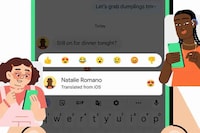
Facebook released new 'Reaction Emojis' that better reflect empathy over a simple like or dislike. Perhaps the reaction emojis are a response to Facebook's proposed dislike button which people felt was ineffective and not supportive.
The new set of reaction emojis will be rolled out in a few countries before it is released globally. Facebook users can now respond to their friend's post by using love, laughter, happiness, shock, sadness and anger buttons. The specific emojis were a result of research done by Facebook to find out what types of buttons people want to use.
Not only are the reaction emojis a more accurate way to respond to posts, but they also provide a great marketing resource for companies on Facebook. Rather than a simple like, brands will have a clearer picture of what people think of them and specific products.
Why This Trend Is Growing
- Empathetic Reaction Emojis
- Social media platforms could introduce more reaction buttons that better reflect users' emotional responses, providing opportunities for companies to gauge public opinion and improve engagement.
- Improved Emotional Engagement
- Increased emotional engagement could change the way brands interact with their customers, leading to more effective marketing strategies.
- Personalized Advertising
- Reaction emojis could provide companies with a more efficient way to personalize ads based on users' emotional responses to different products.
Industries Being Reshaped
- Social Media
- Social media platforms stand to benefit from increased user engagement as a result of new reaction emojis.
- Marketing and Advertising
- Facebook's new reaction emojis could improve the way that companies gather feedback and engage with customers.
- Market Research
- Reaction emojis could also provide valuable insights for market researchers studying user behavior and preferences.