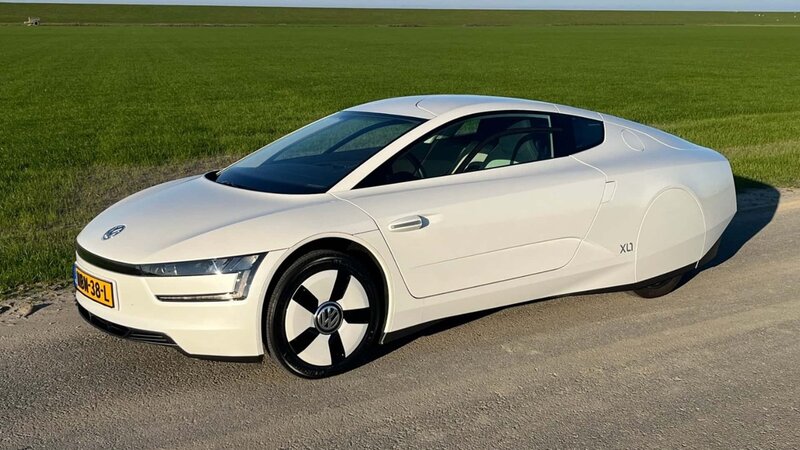
Volkswagen’s unusually efficient XL1 is heading to auction in the Netherlands, offering collectors a chance to own one of just 250 examples ever made. First launched in 2013, the two-seat plug-in hybrid was designed to push fuel economy to the extreme, combining a small diesel engine with electric power in a lightweight body.
The example listed on Catawiki dates from 2016 and has covered just over 1,000 miles. It has an estimated value of around $140,000, reflecting its rarity as well as its place in Volkswagen’s engineering history. The XL1 was rated at 261 mpg on the European test cycle and could travel up to 31 miles using electric power alone.
With such a limited production run and a focus on efficiency rather than everyday practicality, the XL1 has become a distinctive piece of automotive engineering. Its appearance at auction gives buyers a rare opportunity to own a road-going hybrid built around an ambitious fuel-economy target.
Image Credit: Catawiki
Why This Trend Is Growing
- Ultra-efficient Collectibles
- Limited-production efficiency vehicles are gaining collector appeal as engineering milestones become prized assets beyond traditional performance icons.
- Low-mileage Rarity
- Minimal-use specialty cars create new valuation dynamics where provenance, preservation, and scarcity outweigh everyday utility.
- Hybrid Heritage Auctions
- Auction platforms are becoming discovery channels for early electrified vehicles that signal the growing historical value of transitional automotive technology.
Industries Being Reshaped
- Collector Cars
- The market for rare vehicles is expanding to include experimental hybrids, broadening demand beyond classic sports and luxury models.
- Automotive Auctions
- Digital auction environments can surface niche engineering-focused vehicles to global buyers seeking distinctive and historically significant assets.
- Electric Vehicles
- Early plug-in hybrids illustrate how efficiency-led design can influence future EV positioning around scarcity, innovation, and brand legacy.