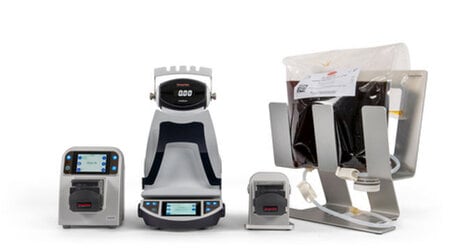

Genefluence is introducing rapid UTI diagnostic tests that identify infection-causing bacteria and antibiotic resistance genes in approximately one hour. First deployed at London's Royal Hospital Chelsea, the portable system allows healthcare professionals to make treatment decisions without waiting several days for conventional laboratory results, helping reduce unnecessary antibiotic prescribing.
The technology uses a disposable cartridge to extract genetic material from patient samples, which a compact analyzer processes through PCR testing. Originally developed for consumer DNA analysis and later adapted for COVID-19 screening, the platform now supports infection management in care homes, medical practices, and hospitals. Its capabilities are particularly valuable for older patients who may experience unusual infection symptoms.
For Genefluence, this application expands its diagnostic portfolio and creates opportunities across healthcare settings. Providers could benefit from faster clinical decisions, more targeted prescriptions, and fewer complications requiring hospitalization.
Image Credit: Genefluence
Key Themes Behind This Trend
- Rapid Point-of-care Diagnostics
- Portable molecular testing platforms shorten the gap between sample collection and clinical decision-making, creating room for decentralized care models in hospitals, clinics, and care homes.
- Antibiotic Stewardship Technology
- Real-time resistance detection supports more precise prescribing practices, opening possibilities for software-enabled infection management and reduced misuse of broad-spectrum antibiotics.
- Cartridge-based Molecular Testing
- Disposable sample-processing cartridges simplify complex PCR workflows, making advanced diagnostics more accessible outside traditional laboratory environments.
Where This Applies
- Healthcare Diagnostics
- Compact analyzers that deliver fast pathogen and resistance results expand the market for near-patient testing across acute care, primary care, and elder care settings.
- Elder Care
- Older patients with atypical infection symptoms benefit from faster diagnostic clarity, highlighting new opportunities for clinical tools designed around senior health needs.
- Pharmaceuticals
- More targeted antibiotic selection can reshape demand patterns for antimicrobial therapies, supporting data-driven treatment pathways and resistance-aware drug development.