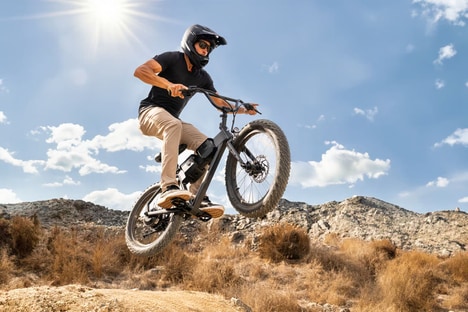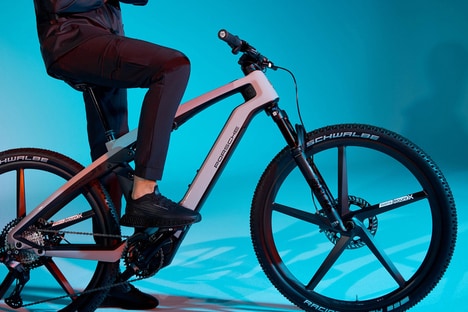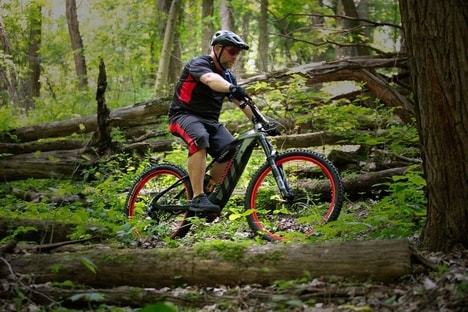
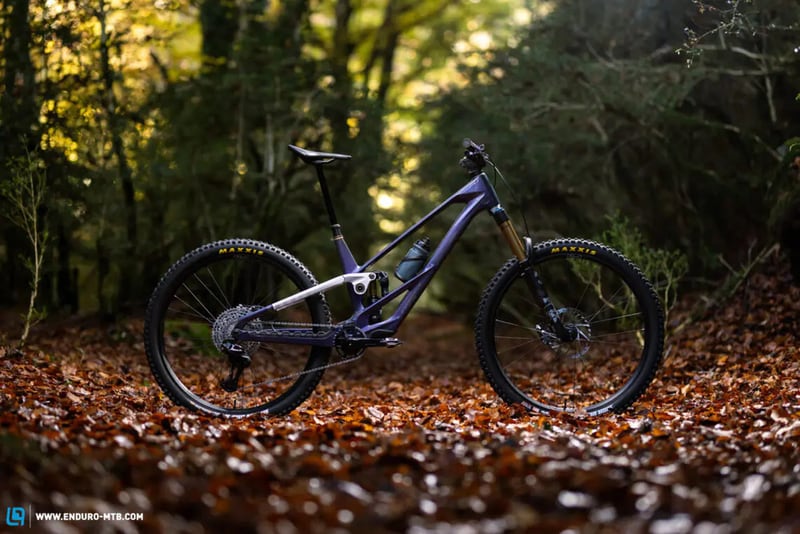
Orbea introduced the 2026 Rallon RS, a high-end enduro electric mountain bike featuring a new RS electronic backbone that links motor, suspension, and cockpit controls. The model we tested used the TQ HPR40 motor with a 290 Wh integrated battery plus an optional 160 Wh range extender, and it was presented as a showcase of system integration rather than mass-market volume.
The Rallon RS combined an electronic FOX X2 NEO shock, Shimano XTR Di2 drivetrain, Orbea’s electronic dropper and a wired RS handlebar remote to centralize control and data flow. The RS module shares state information—gear, dropper position, shock mode—and prepares the platform for future software upgrades.
For riders, this matters because it demonstrates smoother, more coordinated component interaction and potential for feature growth via updates, elevating the user experience for tech-focused enduro riders. As a limited, costly debut, the Rallon RS signals a direction for deeper electronics integration across eMTBs.
Image Credit: Orbea
What Makes This Trend Stand Out
- Integrated Electronic Bike Systems
- A centralized electronic backbone that synchronizes motor, suspension and cockpit controls opens possibilities for differentiated, system-level performance features that redefine rider experience.
- Modular Battery and Range Extension
- The combination of small integrated batteries with optional plug-in range extenders creates new product architectures for flexible energy management and premium accessory ecosystems.
- Over-the-air Component Upgrades
- Connected components prepared for software updates suggest a shift toward feature-rich bikes whose capabilities can evolve post-sale, altering lifecycle value and aftermarket service models.
Sectors Adopting This
- Mountain Bike Manufacturing
- High-end frame makers face a chance to embed electronics and data strategies into chassis design, transforming bikes into platform products rather than standalone mechanical goods.
- Component Electronics Suppliers
- Suppliers of motors, sensors and controllers can move beyond unit sales to offer integrated control modules and firmware ecosystems that capture recurring revenue streams.
- Software Platforms for Mobility
- Companies building embedded software and OTA infrastructure are positioned to enable continuous feature delivery and data-driven personalization across connected eMTB fleets.