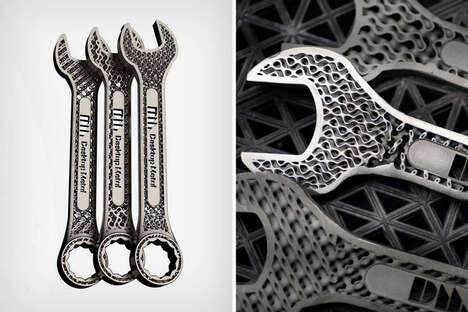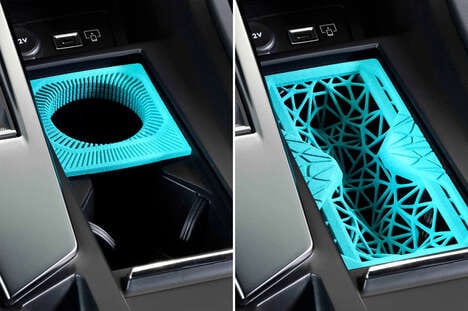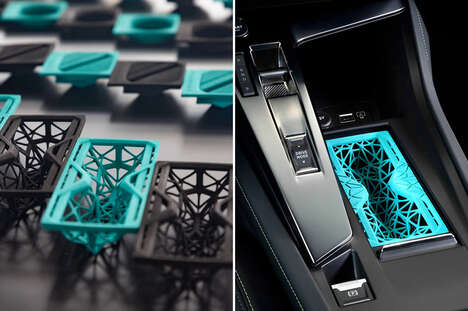


In preparation for this year's German Touring Car Masters (DTM), auto manufacturer BMW is gearing up by creating water pump wheels that will achieve "ideal aerodynamics." As a car part that spends about 70% of its time under pressure, the one-piece six-bladed pump wheel replaces the plastic component with a laser-fused metal powder that is gradually layered to provide more stability.
On function, cost and manufacturing, BMW notes that "No complex tools or molds are needed, which makes the demand-oriented production more cost-effective."
Now that printing one-of-a-kind parts is becoming more affordable, these components could be integral parts to non-racing cars. Ahead of this, BMW has also relied on additive manufacturing to create protective 3D-printed thumbs for factory employees and prototypes for student-designed and biodegradable concept cars.
Key Themes Behind This Trend
- 3d-printed Automotive Parts
- As 3D printing becomes more affordable, one-of-a-kind auto parts will become easier and more cost-effective to produce.
- Additive Manufacturing in Auto Racing
- Additive manufacturing can improve the performance of race cars by producing high-performing, aerodynamic parts.
- In-house 3D Printing Production
- Auto manufacturers can save time and money by using in-house 3D printing production for custom, complex auto parts.
Where This Applies
- Automotive Manufacturing
- 3D printing can transform the way auto parts are made and produced, providing a cost-effective and efficient solution.
- Additive Manufacturing
- Additive manufacturing is disrupting traditional manufacturing processes by offering customizable, one-of-a-kind components.
- Racing and Motorsports
- Additive manufacturing is revolutionizing the racing industry by creating high-performing, aerodynamic parts that weren't possible before.