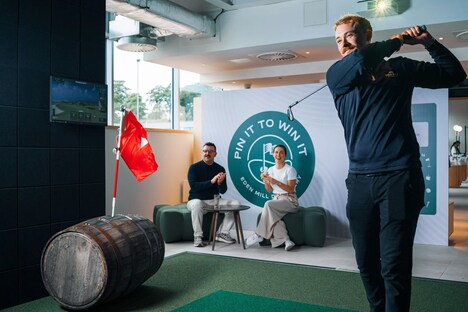
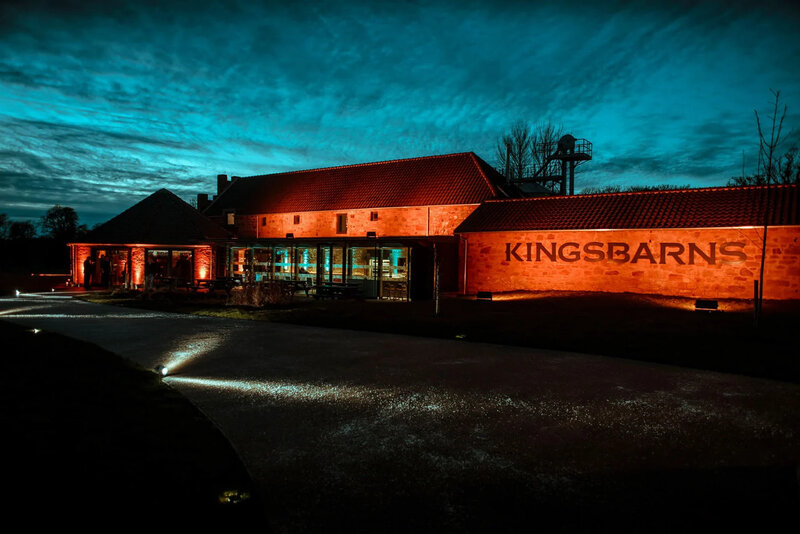
Kingsbarns Distillery in Fife introduced an outdoor putting green at its site near St Andrews, pairing short-game practice with whisky tourism. Founded by former local golf caddie Douglas Clement and owned by Wemyss Family Spirits, the distillery positioned the green as a relaxed attraction alongside its café, tours and tasting experiences.
The addition complements Kingsbarns’ Lowland single malts and Darnley’s gin while strengthening the site’s connection to the region’s golfing heritage. To celebrate the opening, the distillery will run an August competition inviting visitors to beat a score set by distillery manager Peter Holroyd. Successful participants will enter a prize draw for Kingsbarns’ Doocot, Balcomie and Coaltown whiskies.
For visitors, the putting green combines sport, hospitality and tasting in one destination. As whisky tourism becomes more competitive, the amenity reinforces Kingsbarns’ local identity and gives guests another reason to extend their time on-site.
Image Credit: Kingsbarns Distillery
What Makes This Trend Stand Out
- Whisky Golf Tourism
- Pairing putting greens with distillery visits creates a hybrid leisure format that deepens regional storytelling and increases dwell time for premium spirits destinations.
- Experiential Tasting Venues
- Hospitality sites that blend tastings with interactive recreation can differentiate beyond product sampling and convert visits into more memorable brand experiences.
- Heritage-led Leisure
- Local cultural assets such as golf history offer tourism operators a distinctive way to anchor new amenities in place-based identity and premium positioning.
Sectors Adopting This
- Spirits and Distilling
- Distilleries gain new competitive ground by expanding into lifestyle attractions that make whisky and gin brands part of broader leisure occasions.
- Golf and Recreation
- Compact practice amenities at non-traditional venues extend golf participation into hospitality environments and appeal to casual players and tourists.
- Travel and Tourism
- Destination operators benefit from mixed-use experiences that combine regional heritage, food and drink, and light activity into longer on-site itineraries.