ANTINSKY is expanding 3D printing with materials built to help users make hotter-running parts, softer wearables and dental pieces from the same supplier. The lineup spans engineering filaments, flexible plastics and dental resins, with each option tuned for a specific job instead of acting as a catchall material.
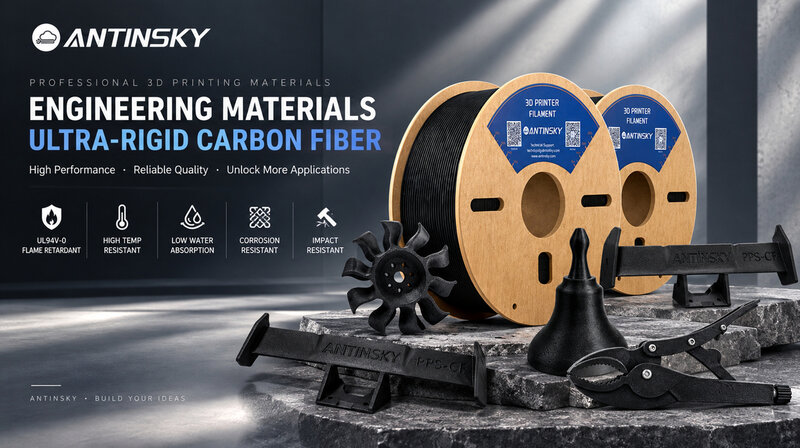
PPA-CF30HT and PPS-CF anchor the industrial side. The first uses 30% carbon fiber for very rigid parts, while the second is made for chemically harsh settings and keeps working at up to 205 C. That split gives print shops a clearer choice between stiffness for structural prototypes and durability for parts that sit near heat or fluids.
For brands, this narrows the gap between prototyping, functional production and dental work when they are picking a materials partner. A more curated resin-and-filament offer can cut supplier hopping and make material selection feel like a reduction move instead of a trial-and-error process.
Image Credit: ANTINSKY
What's Driving This Trend
- Application-specific Materials
- Curated filament and resin portfolios are reducing experimentation cycles by matching thermal, flexible, structural, and dental requirements to narrowly defined use cases.
- High-temperature Printing
- Advanced carbon-fiber and PPS-based materials are expanding additive manufacturing into hotter and chemically demanding environments once reserved for machined or molded components.
- Consolidated Material Sourcing
- Single-supplier ecosystems for engineering, wearable, and dental printing materials are simplifying procurement while strengthening quality control across varied production needs.
Who This Affects Most
- Additive Manufacturing
- Specialized material lines are pushing 3D printing beyond prototyping toward functional parts with targeted mechanical, thermal, and chemical performance.
- Dental Technology
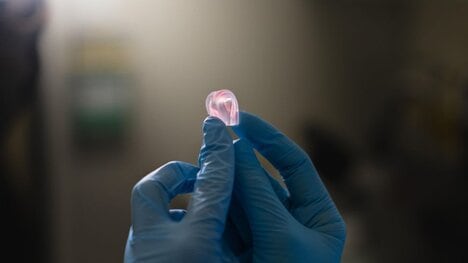
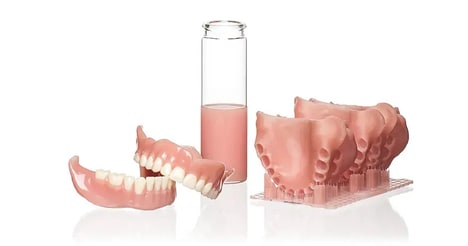
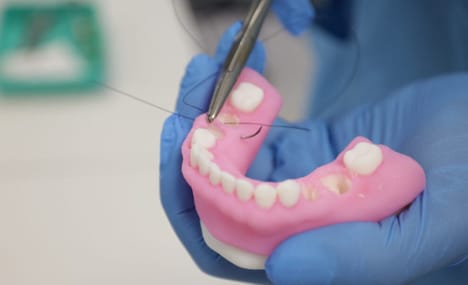
- Dedicated dental resins are enabling more precise in-house production of oral appliances, models, and clinical components with shorter turnaround times.
- Industrial Components
- Heat-resistant and chemically durable printable polymers are creating new pathways for low-volume replacement parts and custom tooling in demanding operating settings.