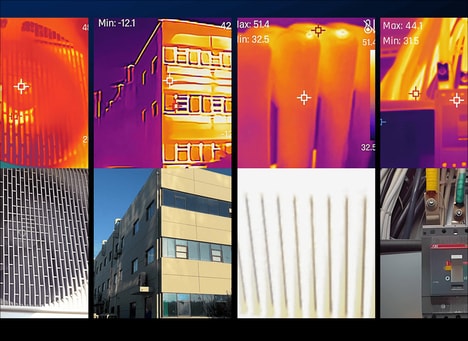
Vector is bringing graphene into building performance monitoring with Peltyr, a printed heat flux sensor incorporating First Graphene’s PureGRAPH material. The low-cost sensor measures the actual rate of heat passing through walls, floors, and roofs, allowing users to calculate in-situ U-values rather than relying solely on modeled estimates. This can help building owners, retrofit assessors, and housing providers evaluate thermal performance before and after energy-efficiency upgrades.
The scalable format creates opportunities to make real-world thermal measurement more accessible across construction and retrofit projects. For First Graphene, Peltyr provides another commercial application for PureGRAPH while its three-year partnership with Vector creates an additional channel for reaching prospective customers. Because heat flux monitoring is also used in aerospace, automotive, HVAC, and industrial applications, the technology could extend beyond buildings and expand both companies’ addressable markets.
Image Credit: First Graphene Limited
Key Themes Behind This Trend
- Printed Heat-flux Sensing
- Low-cost printed sensors create new pathways for embedding precise thermal performance measurement into everyday building materials and retrofit workflows.
- Graphene-enabled Monitoring
- Advanced graphene materials support thinner, scalable sensor formats that can improve the accuracy and affordability of real-world energy diagnostics.
- In-situ Building Analytics
- Measured U-values give property owners and assessors a more reliable data layer for validating upgrades, reducing performance gaps, and improving asset decisions.
Where This Applies
- Construction Technology
- Building performance platforms can integrate direct heat-transfer data to strengthen retrofit planning, compliance verification, and energy-efficiency benchmarking.
- HVAC Systems
- Thermal flux visibility across envelopes and equipment can inform smarter heating, cooling, and ventilation optimization models.
- Advanced Materials
- Commercial sensor applications broaden the market potential for graphene by linking material innovation with practical energy and industrial monitoring use cases.