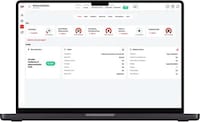
In an effort to prevent medication errors, this platform is using big data to improve healthcare and save lives. MedAware uses data analytics to flag prescription mistakes, giving medical and health professionals the chance to fix them before any patients are at risk. Just in the United States, a million injuries happen every year due to incorrect prescriptions, resulting in many preventable deaths.
MedAware hopes to make a significant dent in this statistic by using big data and analytics to detect a larger range of potential problems more accurately, compared to current systems. Conventionally, clinicians rely on rules.
Every time a new drug is prescribed, the MedAware system scans for deviations from prescription patterns in similar patients. These deviations are often errors, which when reported, can prevent medication errors.
What's Driving This Trend
- Data-driven Medication Safety
- Opportunity to leverage big data and analytics to detect and prevent medication errors, potentially saving lives.
- Prescription Error Detection
- Advancements in data analytics provide a chance to identify and flag prescription mistakes, enabling healthcare professionals to take corrective actions.
- Improving Healthcare Through Big Data
- Utilizing big data and analytics can significantly reduce medication errors and enhance patient safety in the healthcare industry.
Who This Affects Most
- Healthcare
- The healthcare industry can benefit from integrating data analytics to improve medication safety and reduce the occurrence of prescription errors.
- Pharmaceutical
- The pharmaceutical industry can explore opportunities to collaborate with data analytics platforms to enhance prescription accuracy and patient outcomes.
- Health Tech
- Innovative health tech companies can develop and provide prescription-correcting platforms that utilize data analytics, offering a proactive approach to medication safety.