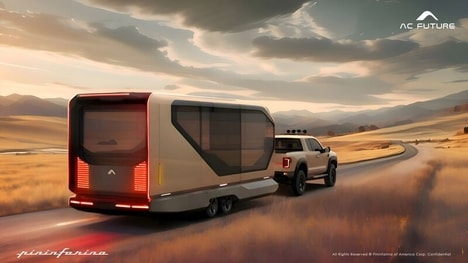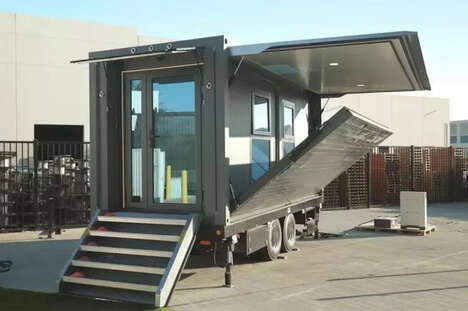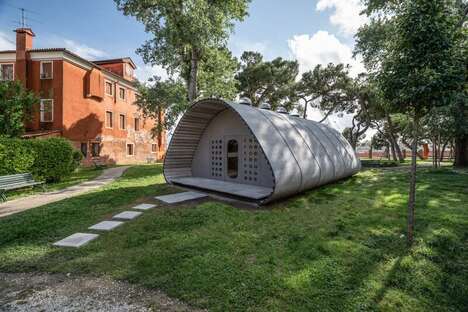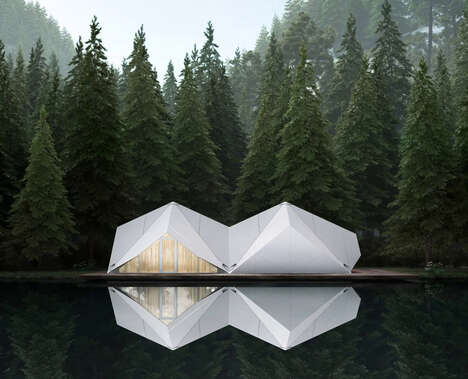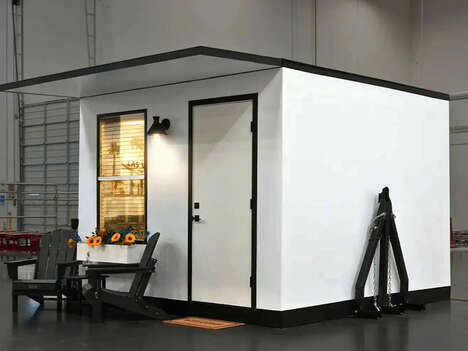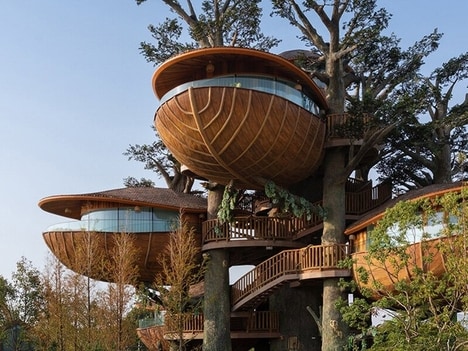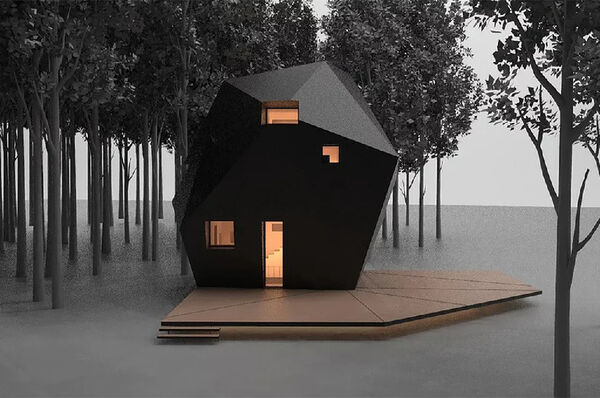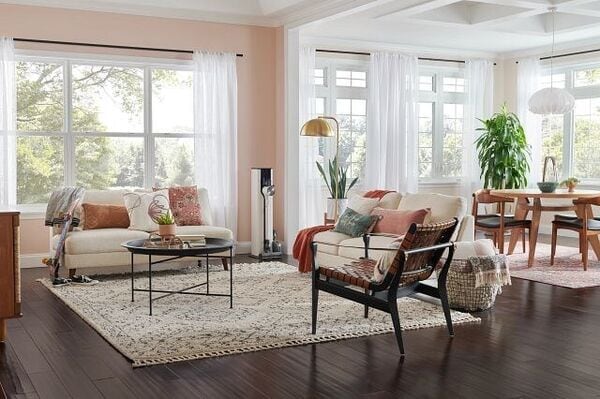
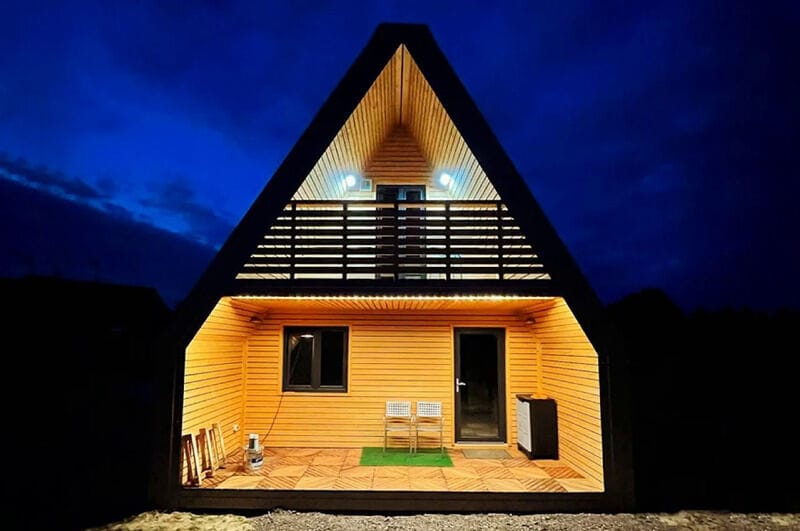
The A-Fold prefabricated homes are a series of deployable shelters that can be used in the event of a natural disaster to provide support for those affected by the situation. The homes consist of the Model A and Model T structures, which are both outfitted with a series of modern accoutrements as well as finishes to accommodate the preferences of the person. The homes highlight Scandinavian aesthetics to make them feel decidedly airy and spacious.
The A-Fold prefabricated home have been designed with Nico D’Incecco and are constructed offsite before being transported via truck to the final location. The homes are then mounted onto a screw piles system foundation that is held in place using a series of metal poles.
Why This Trend Is Growing
- Prefab Disaster Relief Homes
- There is an opportunity to revolutionize the disaster relief industry with prefabricated homes that incorporate modern accoutrements and finishes while being portable and deployable.
- Offsite Construction
- The trend of constructing homes offsite and transporting them to their final location is gaining traction, providing a disruptive innovation opportunity for the construction industry.
- Scandinavian-style Architecture
- The Scandinavian aesthetic of the A-Fold Prefabricated Homes can be a disruptive innovation opportunity to the architecture industry by offering an airy an spacious design that is functional and combines form with function.
Industries Being Reshaped
- Disaster Relief
- The Disaster Relief industry could benefit from using portable and easily deployable homes that can be used to provide shelter and support in natural disasters.
- Construction
- The offsite construction trend presents an opportunity for the Construction industry to optimize their building processes and transportation methods by constructing homes offsite and transporting them to their final location.
- Architecture
- The A-Fold Prefabricated Homes embody a Scandinavian-style architecture that provides a challenging innovation opportunity to the Architecture industry which would allow to find new ways of creating structures that combine form with function.