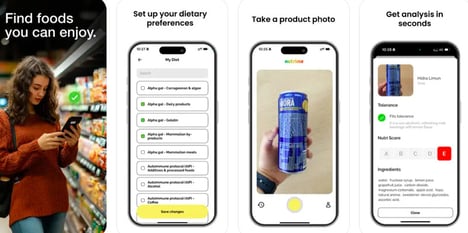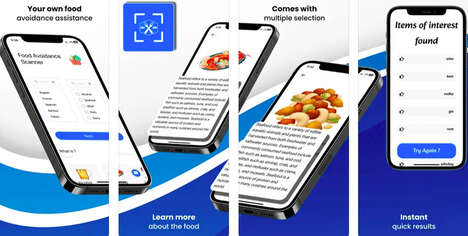


Not knowing the ingredients in a meal could have life threatening consequences for those with severe allergies, which is why scientists from Harvard Medical School developed a portable allergen detector, known as 'iEat.'
The affordable detector, which only costs a reported $40 to build, contains three parts: the handheld device that detects the allergens, a small electronic analysis key, and an accompanied smartphone app that relays the information back to the user in a comprehensible manner. In its current state of development, the iEat can detect a vast range of allergens, including hazelnuts, wheat, milk, eggs, and peanuts in less than 10 minutes.
This portable allergen detector would enable individuals to enjoy restaurant meals, while eliminating the risk of eating food from a plate that contains hidden allergens.
What's Driving This Trend
- Portable Allergen Detection
- Small, affordable allergen detectors with quick detection times can be developed and marketed to help those with severe allergies avoid potential life-threatening reactions.
- Smartphone-integrated Medical Devices
- Developing portable medical devices with accompanying smartphone apps can streamline information sharing and accessibility, improving the convenience and safety of healthcare for individuals.
- Affordable Healthcare Technology
- Creating affordable, accessible medical technology can broaden healthcare accessibility and provide life-saving assistance to those who previously could not afford it.
Who This Affects Most
- Medical Device Manufacturing
- With the advancement of technology, medical device manufacturers have an opportunity to create portable, affordable medical devices that can improve healthcare accessibility for individuals.
- Food Service Industry
- Developing allergen-free menu options or offering portable allergen detection devices can improve the safety and accessibility of dining experiences for individuals with severe allergies.
- Health Insurance Providers
- Investing in affordable healthcare technology can improve healthcare accessibility and affordability for individuals, which can ultimately benefit health insurance providers by reducing costs associated with emergency medical treatments.