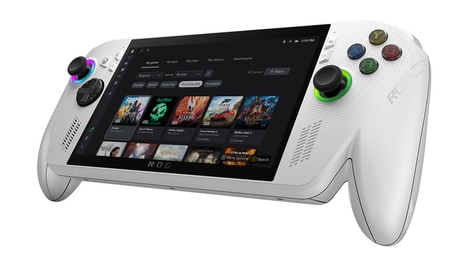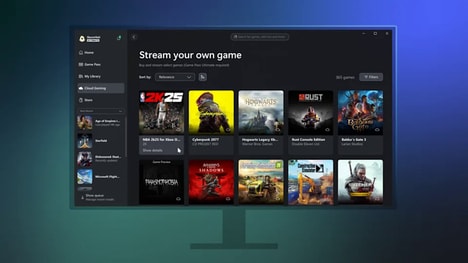
Microsoft released a new update for its Xbox gaming application that brings a much-needed play quality label to the platform. This label will be displayed near a game's page in the store or on its respective GamePass page. Each game, once analyzed, will show a "Plays well on similar PCs" or "Plays poorly on similar PCs" label to give the user an idea of how well the game will run on their computer.
This data is collected through a mix of user analytics and in-house testing from Microsoft. The Xbox application then reads what type of CPU and GPU the player is using and cross-references this information with its collected data to determine whether or not the player will have a positive experience with any given game.
This label will not only help PC players save the time of installing a game to find out they cannot play it, but it will also save players money as they can avoid purchasing games that they cannot play well.
Image Credit: Microsoft
Key Themes Behind This Trend
- Play Quality Label
- Labels displayed in a game's page or on its GamePass page to give users an idea of how well a game will run on their computer.
- User Analytics
- A mix of user analytics and in-house testing from Microsoft is used to collect data about a game's play quality.
- CPU and GPU Cross-reference
- The Xbox application reads the type of CPU and GPU a player is using and cross-references it with its collected data to determine a game's play quality.
Where This Applies
- Gaming Industry
- Game developers can use user analytics and in-house testing to improve a game's play quality for PC players.
- PC Hardware Industry
- PC manufacturers can use the play quality label to identify better hardware components to improve a PC's gaming performance.
- Data Analytics Industry
- Companies can use similar data analytics techniques to identify and address performance issues in various software applications.