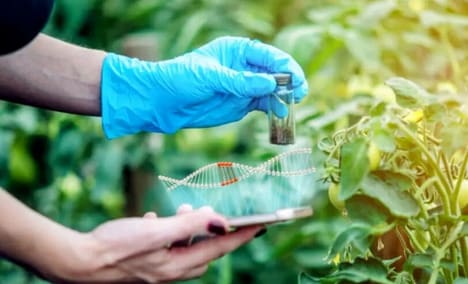
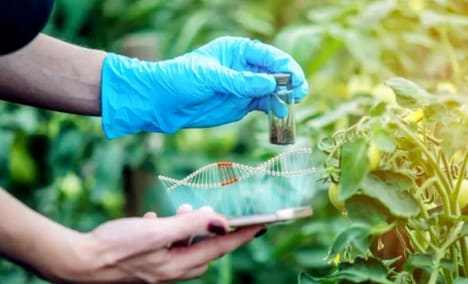
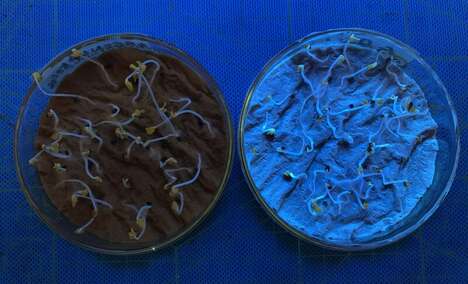
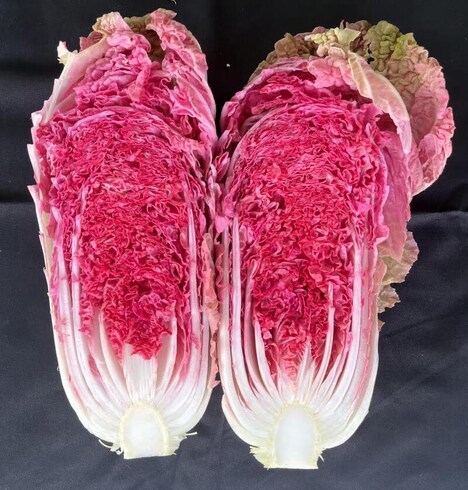
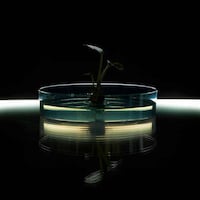
Thanks to June Medford, genetically altered plants that change colors when in the proximity of certain types of pollution, explosives, or other substances may soon be on the lookout for radon pollution in home basements or explosives in public areas like schools.
Armed with a DARPA grant, Professor June Medford in the Department of Biology and her team at Colorado State University’s Medford Lab are working on the project to genetically engineer plants that detect pollution then signal the discovery with changes to their foliage. The researchers expect to have viable plant sentries within the next four years.
What's Driving This Trend
- Pollution-detecting Plants
- The development of plants that change color when in the proximity of certain types of pollution or explosives creates a disruptive innovation opportunity for air quality monitoring and security systems.
- Genetic Engineering
- The ability to genetically engineer plants to detect specific substances creates a disruptive innovation opportunity for environmental and security industries.
- Biomimicry
- Biomimicking the ability of plants to detect pollution and signal its presence creates a disruptive innovation opportunity for an array of industries, including air quality monitoring, security systems, and sustainable agriculture.
Who This Affects Most
- Environmental Monitoring
- The development of pollution-detecting plants creates a disruptive innovation opportunity for air quality monitoring systems and environmental industries seeking more accurate and comprehensive detection methods.
- Security Systems
- The use of plants to detect explosives creates a disruptive innovation opportunity for security systems, aviation industry, and law enforcement agencies looking for more effective ways to detect and prevent threats.
- Sustainable Agriculture
- The ability to genetically engineer plants to detect pollutants creates a disruptive innovation opportunity for sustainable agriculture and food safety industries, as these plants can monitor and reveal the presence of contaminants in soil and water.