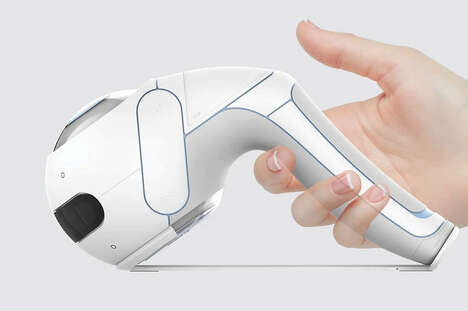
Up until now I never thought I would need a GPS system installed into my car, but the Pioneer NaviRobo is something else completely. This cute, crabby companion is one I would take directions from in the blink of an eye. Who needs British accents and high-tech navigation?
Developed in collaboration with iXs Research, the Pioneer NaviRobo GPS system is particularly suitable for the hearing-impaired as it communicates visually rather than auditorily. It does this through adorable arm movements. See it in action via the video above.
Key Themes Behind This Trend
- Visual GPS Systems
- Development of GPS systems that communicate visually opens up opportunities for visually impaired users.
- Personified GPS Guides
- Design of GPS systems with appealing and friendly aesthetic creates an opportunity to attract users for whom traditional GPS interfaces may seem impersonal.
- Multimodal Navigation Systems
- Incorporating multiple modes of communication, such as visual and auditory signals, can enhance the user experience for different types of users.
Where This Applies
- Automotive
- Visual GPS technology like the Pioneer NaviRobo would enhance the overall driving experience of users and provide a competitive edge among automotive brands.
- Accessibility
- Visual GPS systems like the Pioneer NaviRobo can provide greater accessibility for people with visual impairment, creating opportunities in the accessibility industry to develop more inclusive technology solutions.
- Robotics
- The success of the Pioneer NaviRobo points to a growing trend of personified and interactive robotics, creating opportunities in industries like retail, customer service, and education.