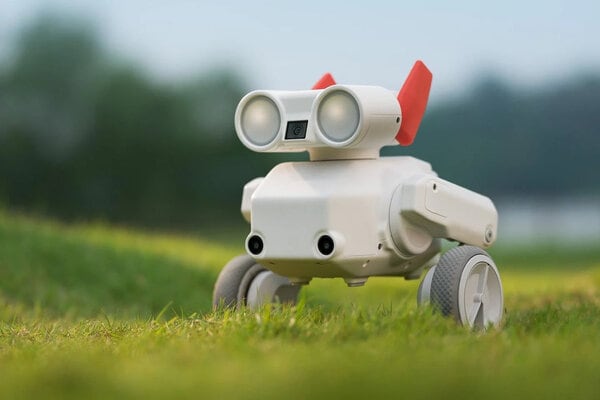
Physical AI service platforms are expanding as Serve Robotics introduces technology that helps companies connect, train, and manage autonomous machines. The new offering makes tools developed for Serve's robotic fleets available to other businesses, supporting faster learning and more reliable communication between robots and external computing systems.
The platform includes Serve Link, which connects machines to remote intelligence systems, and Serve Data Curator, which identifies valuable training examples from large volumes of operational data. A separate catalog provides information gathered from real-world sidewalk environments to improve how AI models interpret their surroundings. Serve has deployed more than 2,000 robots across over 40 cities and 27 hospitals.
For Serve Robotics, commercializing these capabilities creates opportunities beyond its delivery operations. The services can also help companies in construction, mining, and autonomous trucking develop robotic systems without independently building supporting infrastructure.
Image Credit: Serve Robotics
What Makes This Trend Stand Out
- Physical AI Platforms
- Shared infrastructure for connecting, training, and managing autonomous machines creates openings for companies to scale robotics without building full-stack systems internally.
- Autonomous Fleet Intelligence
- Operational data from deployed robots becomes a high-value asset for improving machine perception, reliability, and decision-making across real-world environments.
- Remote Robot Connectivity
- Cloud-linked communication between machines and external intelligence systems supports more adaptive autonomous operations in complex commercial settings.
Sectors Adopting This
- Robotics
- Commercial service layers for robotic fleets expand the market beyond hardware sales toward recurring software, data, and intelligence offerings.
- Construction
- Autonomous equipment supported by external AI platforms introduces new efficiencies for jobsite monitoring, material movement, and machine coordination.
- Autonomous Trucking
- Fleet management tools and curated training data strengthen the development of self-driving systems for logistics, freight, and long-haul transport.