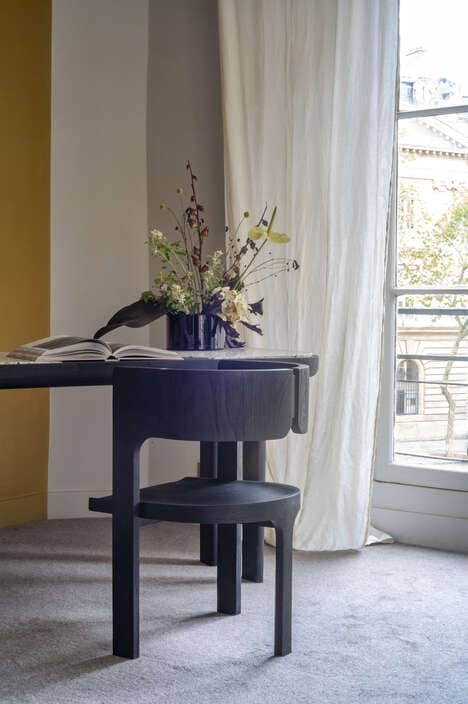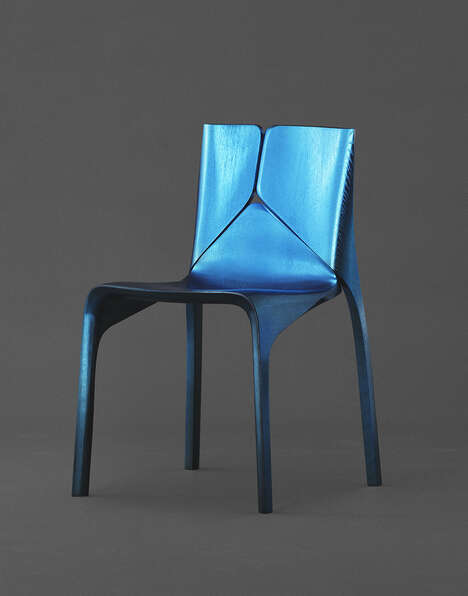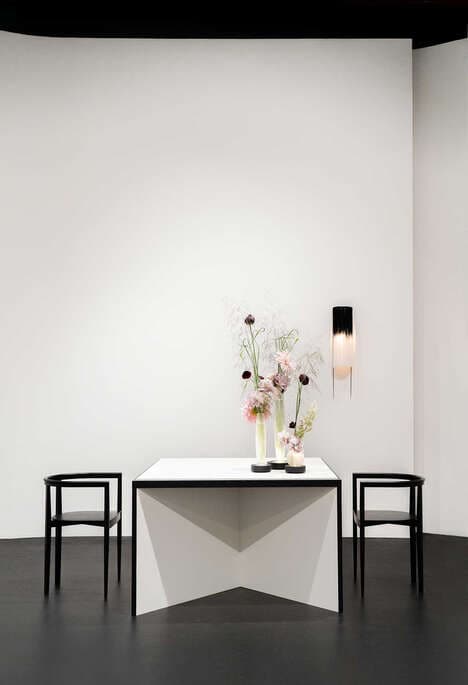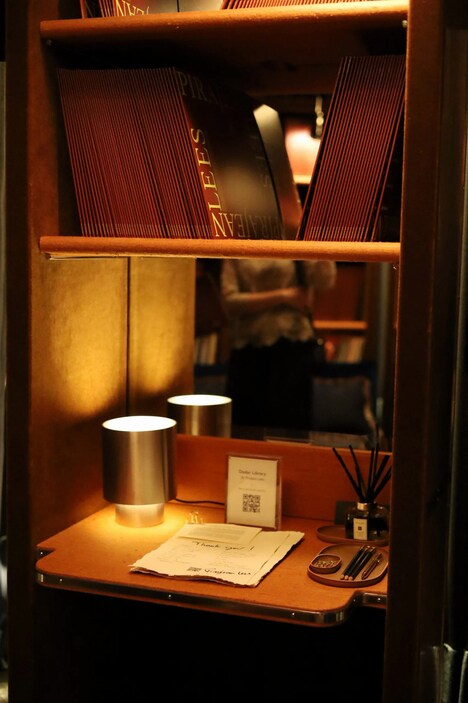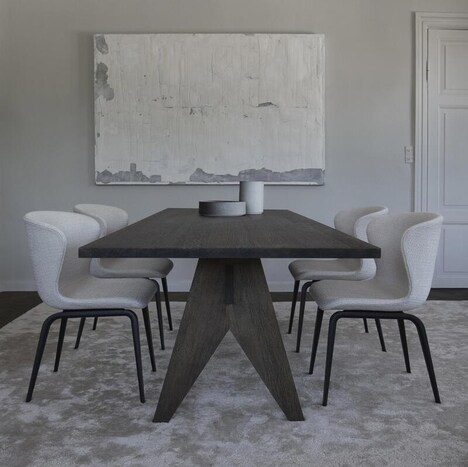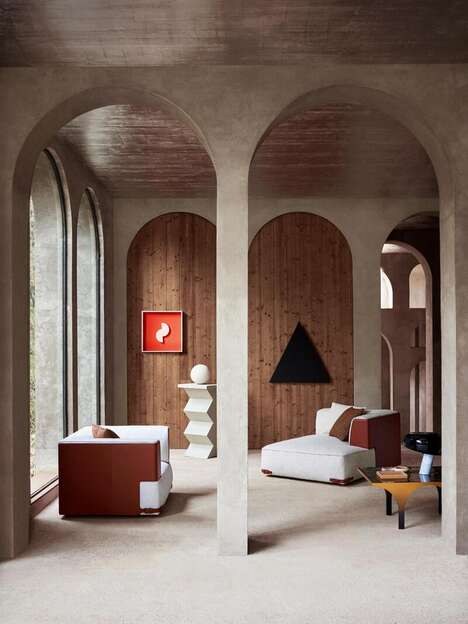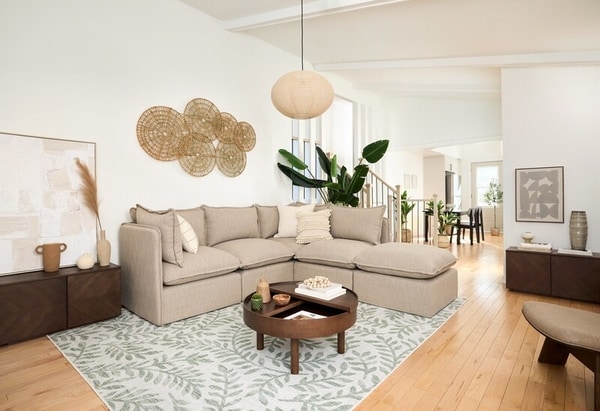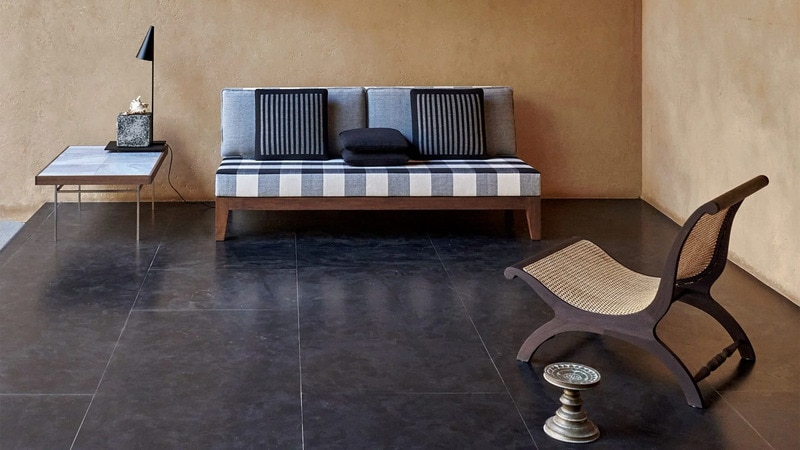
Indian furniture brand Phantom Hands has just unveiled a special collection that has been designed by the late Sri Lankan architect Geoffrey Bawa. This included a sofa that he had designed for his former home. Most of these were made by the brand along with the Geoffrey Bawa Trust and developed by the architect's practice for buildings that were designed between the mid 60s to the mid 90s.
The brand noted, "At the centre of each piece is always a highly subjective, often moving idea that seems to gestate into the material world, with a high level of logic and flair. Distilled from Bawa's oeuvre, the pieces in the collection capture the pluralism of his practice, yet reveal a complex symphony of repeating forms and motifs – leaving a sense of empathy, awe and wry humour."
Image Credit: Martien Mulder
What's Driving This Trend
- Posthumous Design Collaborations
- The revival of architect-designed furniture promotes a unique fusion of legacy and contemporary craftsmanship, providing a fresh avenue for posthumous innovation.
- Culturally Inspired Furniture
- Drawing inspiration from the mid to late 20th-century architectural styles, these pieces embrace cultural narratives, offering distinctive storytelling through design.
- Architect-led Interior Innovations
- Furniture designed by architects blurs the line between architectural genius and interior aesthetics, opening up new possibilities for creative expression in home furnishings.
Who This Affects Most
- Luxury Home Furnishings
- High-end furniture brands can tap into designer-driven pieces that emphasize exclusivity and historical significance, appealing to niche markets.
- Heritage and Legacy-based Products
- Leveraging the timeless appeal of renowned architects, the industry is poised for growth by infusing heritage elements into modern product lines.
- Collaborative Design Practices
- Partnerships between design brands and architectural trusts foster innovative product development, expanding the scope of collaborative creativity.