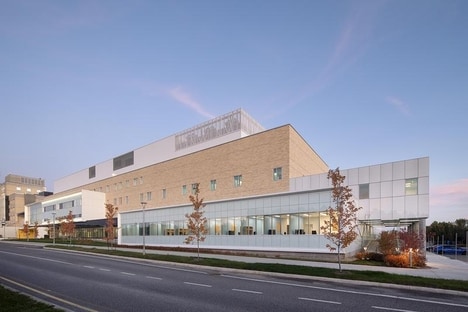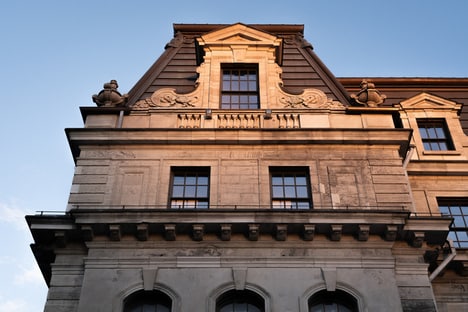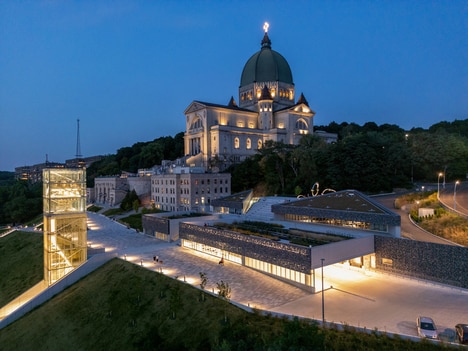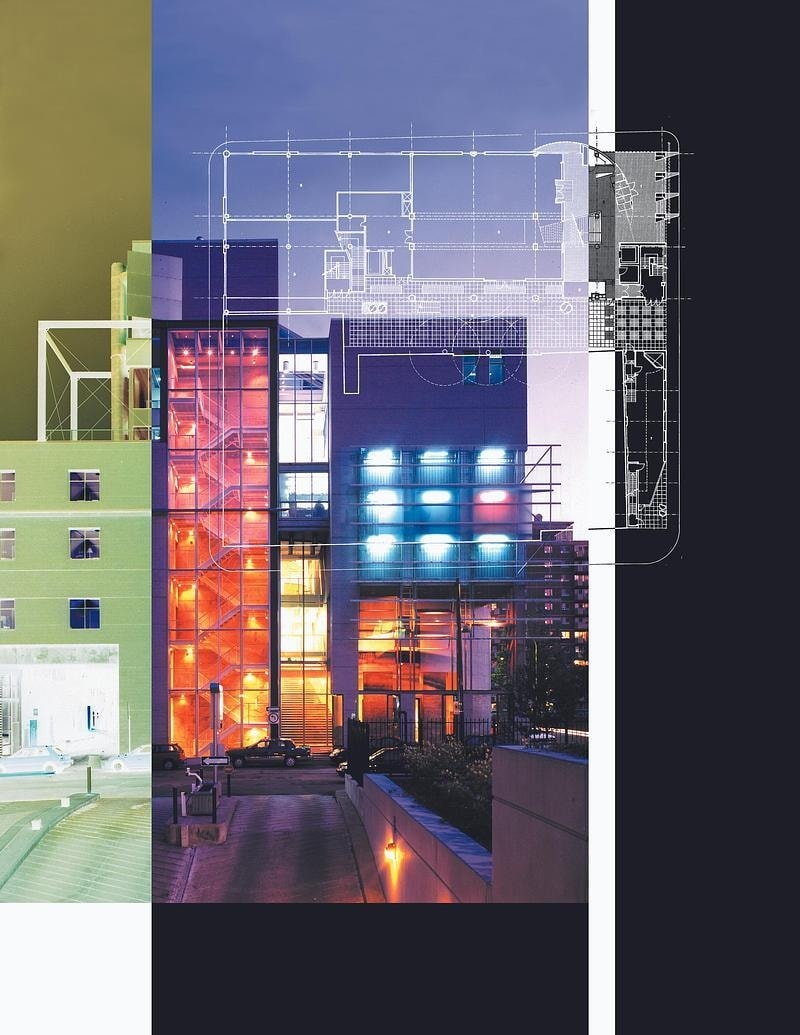
UQAM's Pavillon de Design, designed by Dan Hanganu Architects and completed in 1995, has been awarded the Royal Architectural Institute of Canada's prestigious Prix du XXe siècle. This accolade recognizes the building's outstanding architectural excellence, sustainable qualities, and the university's responsible stewardship over three decades.
The UQAM's Pavillon de Design, located at 1440 Sanguinet in Montreal's Quartier Latin, is dominated by steel and glass, which allows the structure to make extensive use of natural light. It also creates a level of layers of transparency through glass blocks and metal grilles that reinforce its character as a public space open to the city and connected to its vibrant neighborhood.
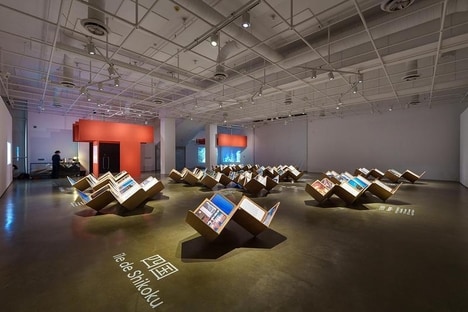
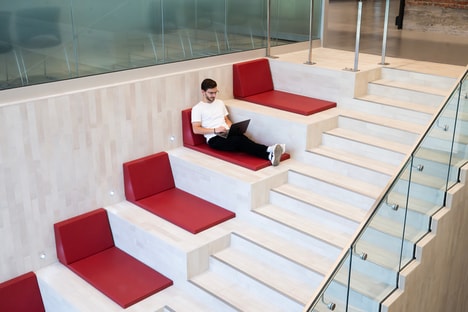
UQAM's Pavillon de Design has become a key hub for creation, learning, and exchange. It houses the École de design and the Centre de design, with studio floors interwoven with office and classroom levels.
Image Credit: Dan Hanganu & Gilles Prud'homme
What's Driving This Trend
- Transparent Civic Architecture
- Layered glass, grilles, and open sightlines create opportunities for buildings that function as both institutional assets and accessible public interfaces.
- Long-life Sustainable Campuses
- Recognition of decades-old responsible design highlights the growing value of durable, adaptable facilities that reduce replacement costs and strengthen institutional reputation.
- Integrated Learning Hubs
- Studio, office, classroom, and exhibition spaces combined within one pavilion suggest new models for cross-disciplinary collaboration and community-facing education.
Who This Affects Most
- Architecture and Design
- Award-winning educational pavilions demonstrate market potential for firms specializing in transparent, sustainable, and context-responsive institutional environments.
- Higher Education
- Universities gain strategic differentiation from campus buildings that support creativity, public engagement, and long-term stewardship beyond conventional academic infrastructure.
- Construction and Materials
- Steel, glass blocks, and metal systems point to demand for material solutions that balance daylight performance, durability, and expressive urban identity.