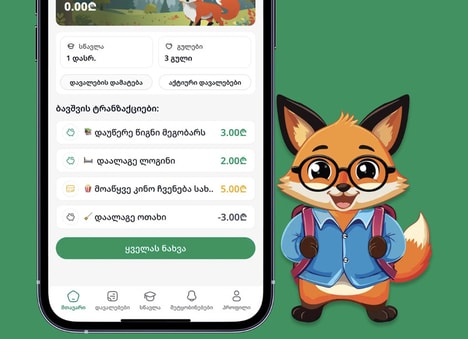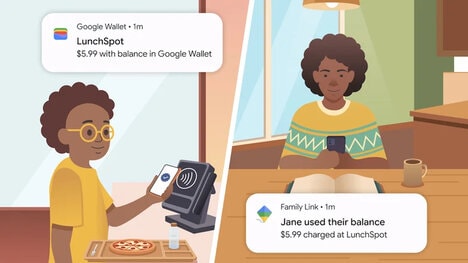
OnePay is bringing banking to teens ages 13 to 17 with parent-backed accounts that let younger users manage money while building a foundation for future credit history. Parents stay connected in the app, and the account can continue past 18 instead of stopping at the usual cutoff.
Savings can earn up to 3.35% APY (annual percentage yield), and the account has no monthly or subscription fee. Eligible history is not reported to credit bureaus until age 18, after which it can be reported, so the move into adulthood starts with more than a blank file.
For shoppers, this means a teen account that does not need to be replaced when a child becomes an adult. In youth banking, OnePay makes early money habits part of a longer relationship. That continuity gives families one less financial reset to plan for.
Image Credit: OnePay
Why This Trend Is Growing
- Continuity-based Teen Banking
- Teen accounts that extend into adulthood create longer financial relationships while reducing the friction of switching products at age-based cutoffs.
- Parent-connected Financial Independence
- App-linked parental oversight supports gradual autonomy for younger users while preserving visibility, trust, and shared money management habits.
- Early Credit Foundation Building
- Age-gated credit reporting introduces a pathway for teens to enter adulthood with documented financial history rather than a blank credit profile.
Industries Being Reshaped
- Digital Banking
- Fee-free, youth-friendly accounts with savings yields and lifecycle continuity point to stronger retention models for mobile-first financial platforms.
- Fintech
- Hybrid products that combine family controls, savings growth, and future credit readiness expand the role of fintech in long-term customer development.
- Consumer Finance
- Youth-focused financial products that transition seamlessly past age 18 reshape how institutions acquire, educate, and retain emerging adult customers.