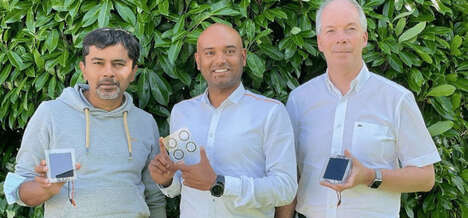
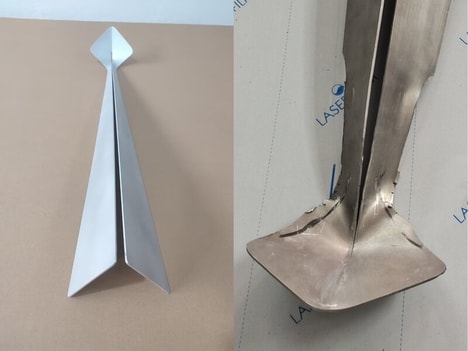
Launching solar panels into space is a very expensive endeavor, but the Origami in Space project hopes to reduce the cost by getting creative. With the help of origami expert and physicist Robert Lang, a team of engineers at the Brigham Young University have been working on prototype after prototype inspired by the art of paper folding.
Working in collaboration with the NASA Jet Propulsion Laboratory, the Origami in Space project revolves around the development of a solar array that folds open to nearly ten times its packed size, and which is capable of generating 250 kilowatts of power. Lang comments, "It's hard to predict what the greatest outcome of this collaboration will be, but it would be a great success if a solar array based on our concept flew on a NASA mission."
What Makes This Trend Stand Out
- Cost-reducing Solar Panels
- The Origami in Space project aims to reduce the cost of launching solar panels into space by incorporating origami-inspired folding designs.
- Creative Solar Panel Design
- By leveraging the art of paper folding, the Origami in Space project explores creative ways to design solar arrays with enhanced functionality and efficiency.
- Foldable Solar Technology
- The Origami in Space project focuses on developing foldable solar arrays that can easily compact for transport and expand to generate a substantial amount of power in space.
Sectors Adopting This
- Space Exploration
- The Origami in Space project presents disruptive innovation opportunities in the space exploration industry, particularly in the development of cost-effective and efficient solar power solutions for space missions.
- Renewable Energy
- The unique approach of the Origami in Space project opens up disruptive innovation opportunities in the renewable energy industry, enabling the creation of compact and versatile solar panel designs for terrestrial applications.
- Engineering and Design
- The Origami in Space project offers disruptive innovation opportunities in the engineering and design industry, pushing the boundaries of foldable technology and inspiring new approaches to various design fields.