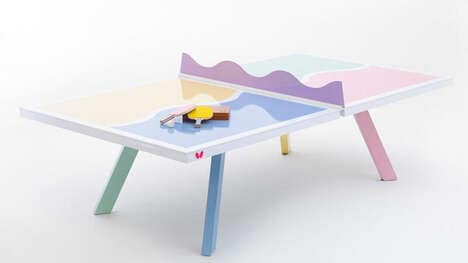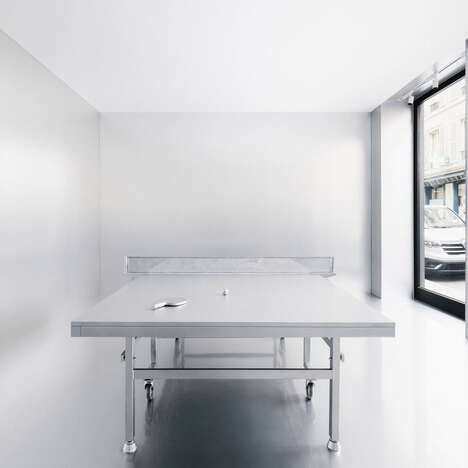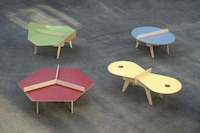
This Olympic ping-pong table was designed by the Japanese manufacturer 'San-El Corporation' and has a color that changes depending on the light directed onto it.
The tables are sleek and sophisticated with an ergonomic design that is certainly different from standard ping-pong tables that non-athletes tend to use. With thick wooden legs and a surface color that is not often seen in others of its kind, the tables are simultaneously attractive and sturdier than most. While competitive ping-pong is not as revered as other sports such as swimming and gymnastics, the tables make nice visuals for television nonetheless.
These Olympic ping-pong tables work to optimizing the player's abilities while providing a sturdy and stylish backdrop during the Olympic games.
Key Themes Behind This Trend
- Ergonomic Ping-pong Tables
- Ping-pong tables designed for optimum usability and comfort, allowing players to perform better during competitions.
- Smart Ping-pong Tables
- Ping-pong tables equipped with sensors and artificial intelligence technology to track player performance and provide real-time analysis.
- Interactive Ping-pong Tables
- Ping-pong tables integrated with virtual reality and augmented reality features to create an immersive gaming experience.
Where This Applies
- Sporting Goods
- Opportunity for sporting goods manufacturers to innovate new designs that enhance player performance and provide a unique visual spectacle for major sports events.
- Technology
- Opportunity for tech companies to develop smart tables that track player performance and provide real-time analysis for a more engaging spectator experience.
- Entertainment
- Opportunity for entertainment companies to create interactive ping-pong tables that incorporate virtual reality and augmented reality for a more engaging gaming experience.