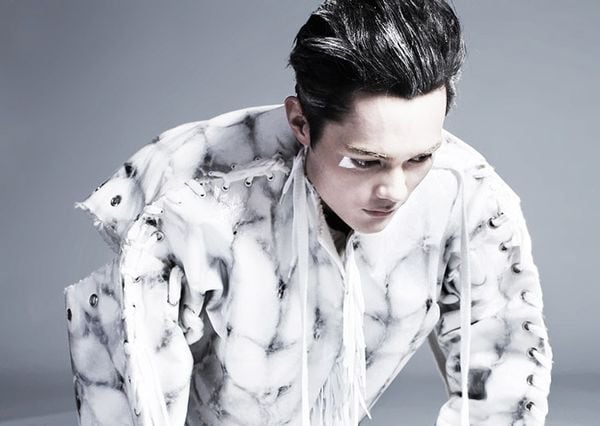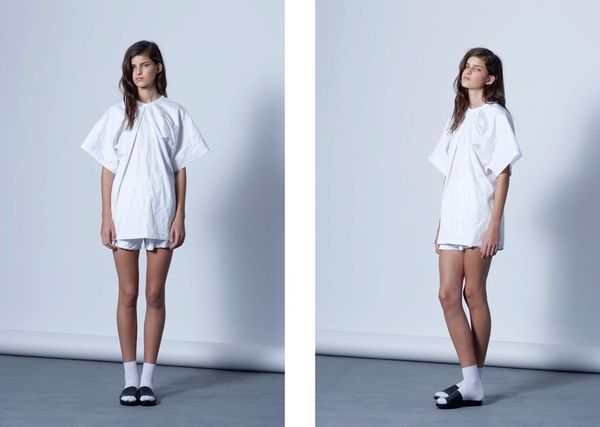


Entitled “Orpus in Claustrum", this accessory collection by Olga Noronha pushes the boundaries of traditional fashion design. The sculptural line of accessories is displayed in a visually vivid catalog that highlights Arabian inspired attire.
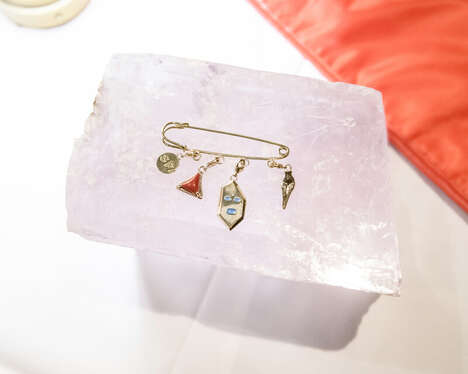
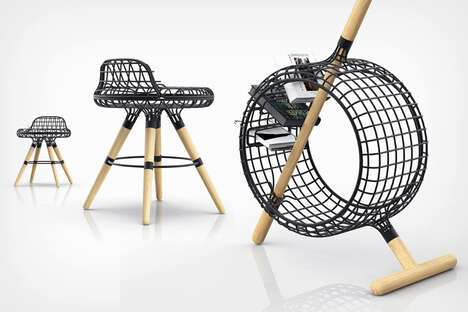
The advertorial's crimson-hued wardrobe of dress and veil ensembles is accented with the designer's sculptural wire-frame accessories. Her one-of-a-kind pieces take inspiration from architecture and the human anatomy.
Once destined to become a doctor, designer Olga Noronha transforms her love for the human body into a signature visual language that defies convention. Her structured accessories form a cocoon around the body and are inspired by the conceptual 1924 sci-fi film Aelita.
Whether shaped to resemble artificial limbs or orthopedic braces, these unique accessories embody a daring vision of beauty.
What's Driving This Trend
- Architectural Accessories
- Designing accessories inspired by architecture and the human anatomy opens up opportunities for unique and unconventional designs.
- Sculptural Wire-frame
- Incorporating sculptural wire-frame designs into fashion accessories creates standout pieces that could be a popular choice for avant-garde fashion enthusiasts.
- Unconventional Beauty
- Pushing the boundaries of traditional fashion design to create unconventional beauty through bold and unique accessories could attract a new market of fashion enthusiasts.
Who This Affects Most
- Fashion
- Fashion brands could explore new designs and aesthetics by incorporating sculptural, unconventional accessories into their collections.
- Architecture and Interior Design
- Architects and interior designers can experiment with incorporating sculptural elements in their designs, influenced by these accessories.
- Art and Design
- Artists and designers can be inspired by the bold visual language of these accessories to create new pieces that showcase unconventional beauty.