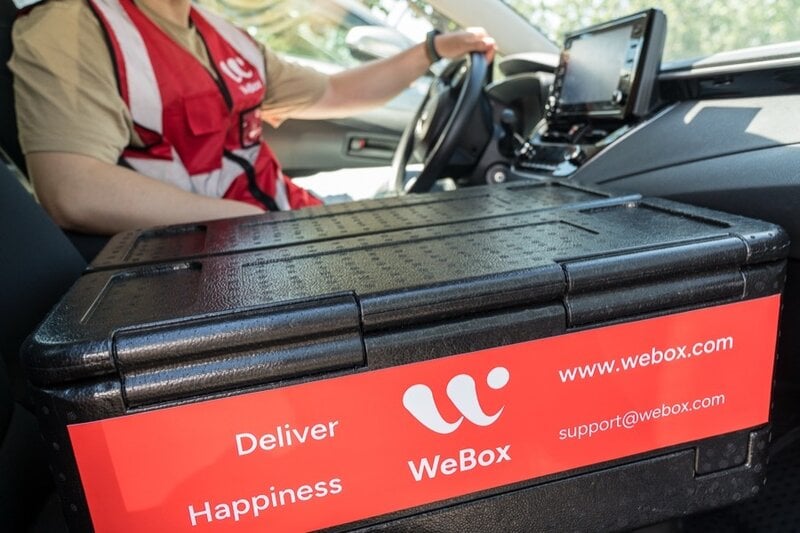
WeBox expanded its fully managed Office Pantry service, integrating procurement, delivery, inventory management and equipment support into a single workplace commerce platform. Since launching the service in July 2026, WeBox has acquired more than 20 corporate clients in the San Francisco Bay Area, sourcing products from retailers like Costco, Trader Joe's, Safeway and Sprouts, along with local and Asian specialty markets.
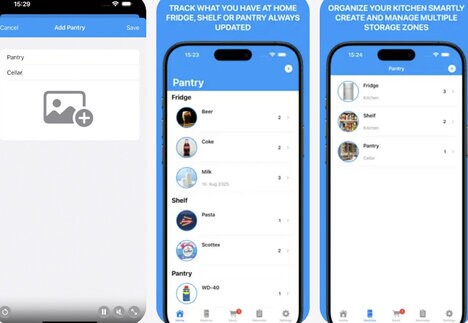
Companies can choose from more than 1,000 pantry selections and over 100 equipment options, including coffee machines and refrigerators, while WeBox manages ongoing inventory monitoring and automated replenishment. The model consolidates what would typically require coordinating multiple vendors into one managed service.
As companies navigate shifting office attendance patterns, WeBox's approach signals how workplace amenity providers are consolidating fragmented pantry and equipment logistics into single platforms that reduce operational burdens for internal teams.
Image Credit: WeBox
Key Themes Behind This Trend
- Managed Workplace Commerce
- Integrated pantry procurement, delivery, inventory tracking and equipment support indicate a growing market for platforms that replace fragmented office vendor coordination.
- Automated Pantry Replenishment
- Inventory monitoring tied to recurring workplace demand creates openings for data-driven systems that reduce stockouts, waste and administrative labor.
- Localized Office Amenities
- Sourcing from mainstream retailers alongside local and specialty markets reflects demand for workplace food programs that feel more personalized and culturally relevant.
Where This Applies
- Workplace Services
- Hybrid attendance patterns are reshaping office amenity models around flexible, outsourced services that reduce the burden on internal facilities teams.
- Corporate Foodservice
- Fully managed pantry programs expand traditional foodservice into always-on snack, beverage and equipment ecosystems for distributed office needs.
- Logistics Technology
- Consolidated delivery, procurement and replenishment workflows reveal opportunities for software-enabled logistics models tailored to recurring workplace supply chains.