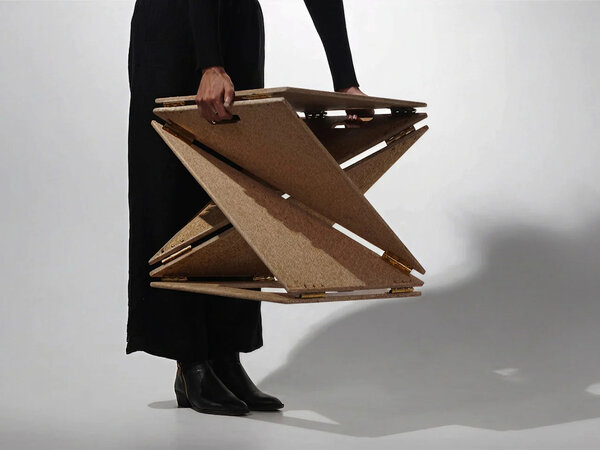
The Fold Oslo NYTT LYS exhibition explores lighting made from salvaged materials by turning reclaimed wood, metal scraps, and discarded paper into sculptural light sources. Each piece emphasizes the marks and textures left by previous use, allowing grain patterns, weld traces, and natural patina to inform the overall character. Rather than hiding imperfections, the designs highlight them as part of the visual identity, creating objects that sit between lighting and material storytelling. The collection ranges from tall floor pieces to compact table lamps, all shaped with a restrained approach that favors clarity over ornamentation.
The lighting casts gentle shadows that reveal the surfaces and histories embedded in each component. Scale shifts across the exhibition support both architectural presence and intimate use, encouraging visitors to consider how minimal intervention can transform waste into functional design. By centering reuse and thoughtful construction, the Fold Oslo NYTT LYS exhibition presents lighting objects that reconnect material memory with contemporary form.
Image Credit: Katherine Hovind
What Makes This Trend Stand Out
- Sustainable Lighting Design
- Lighting fixtures crafted from reclaimed materials illustrate a shift towards eco-conscious design solutions that merge environmental responsibility with aesthetic appeal.
- Material Storytelling
- Designs that highlight the imperfections and histories of salvaged materials are redefining the narrative element in product design, transforming raw material attributes into a primary feature.
- Minimal Intervention Innovation
- A focus on minimal transformation of waste materials is driving a trend where subtle design alterations achieve major functional and aesthetic impacts, offering new dimensions in sustainable innovation.
Sectors Adopting This
- Interior Design
- The intersection of sustainability and aesthetic design creates opportunities for the interior design industry to offer environmentally responsible lighting solutions that appeal to conscious consumers.
- Reclaimed Materials Manufacturing
- The practice of utilizing salvaged materials for new product creation is spurring growth in specialized manufacturing processes that focus on converting waste into high-quality components.
- Artisanal Product Development
- Crafting lighting fixtures that celebrate material history challenges conventional production and highlights the potential for artisanal industries to thrive by embracing imperfections.