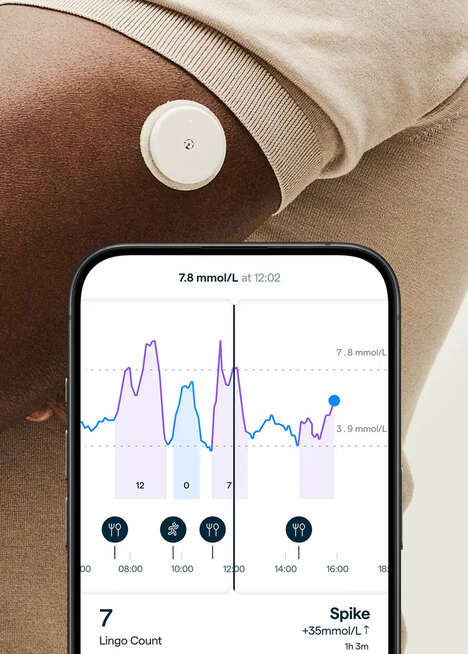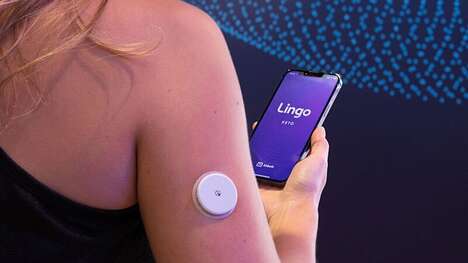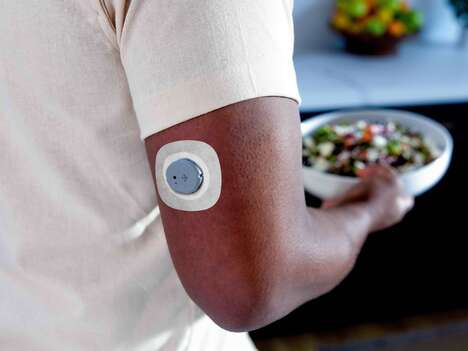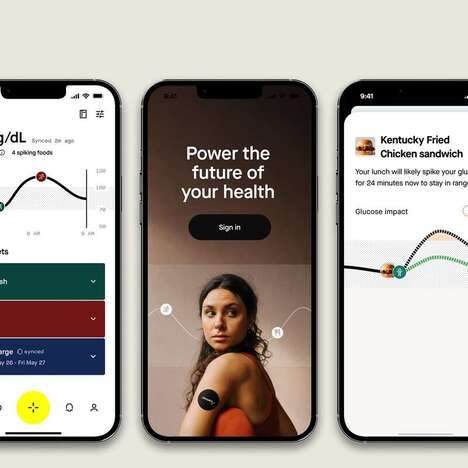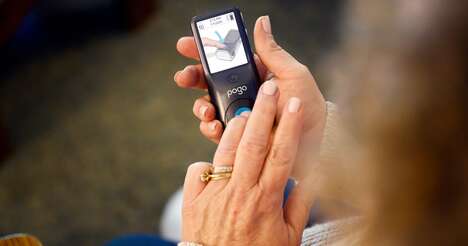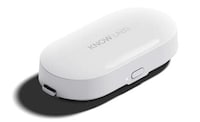
Liom, formerly Spiden, has made notable advancements in the field of non-invasive glucose monitoring and the company is steadily positioning itself as a potential game-changer in wearable health technology.
Liom's breakthrough achievement lies in its ability to measure glucose levels without the need for invasive calibration, which has historically been a barrier for wearable glucose monitoring devices. With its AI and light-driven technology, Liom has demonstrated accuracy levels comparable to first-generation continuous glucose monitors, which have taken years of optimization to reach similar performance. This could be appealing to consumers who seek non-invasive glucose monitoring options that are also convenient and less work.
Liom is currently focusing on miniaturizing its technology into a wearable device. The company has announced its plans for a wrist-worn prototype.
Image Credit: Liom
Why This Trend Is Growing
- Non-invasive Health Monitoring
- Developments in AI-driven light technology offer potential for accurate, non-invasive health tracking.
- Wearable Health-tech Miniaturization
- Efforts to shrink medical devices into wearable formats are pushing the boundaries of personal health management.
- AI-enhanced Diagnostics
- Integrating artificial intelligence with diagnostic tools enhances accuracy and user convenience in medical monitoring.
Industries Being Reshaped
- Health Wearables
- The integration of advanced technology in wearable devices is revolutionizing personal healthcare management.
- AI Healthcare Solutions
- Artificial intelligence is transforming the healthcare industry with more precise and user-friendly diagnostic options.
- Medical Device Manufacturing
- Innovations in non-invasive devices are driving growth and competition in the medical device sector.