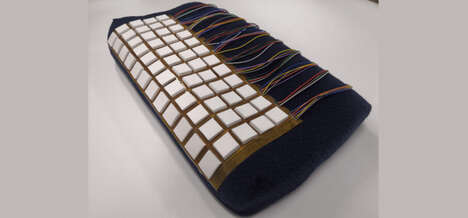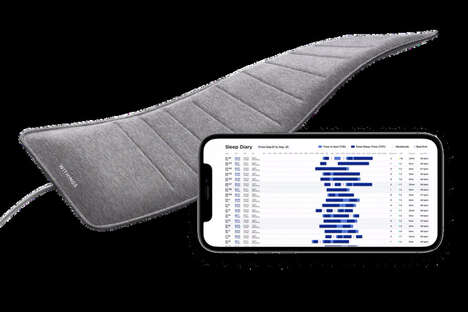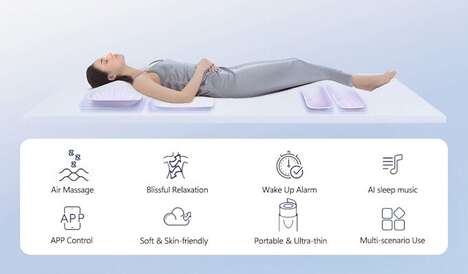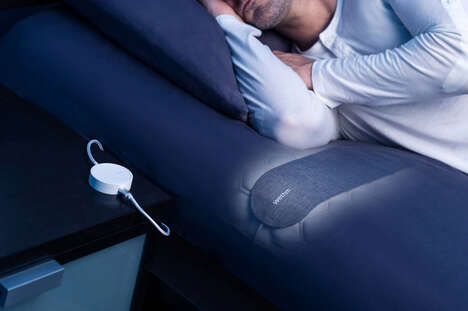


The Nokia Sleep Tracker is helping consumers get a better night's rest through offering a pressure-sensitive pad that can be placed under one's mattress.
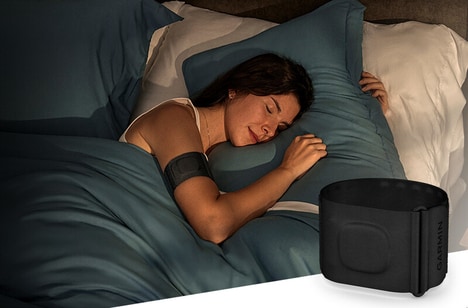
This less obtrusive method combats the bulky and uncomfortable aspects of other sleep trackers, which are typically worn around the wrist or strapped to one's forehead. Instead, Nokia's device, which retails for only $100 can be placed under the mattress at night as it measures one's movement and listens to snoring habits.
What's more is that this connected device can be synced with one's smart home systems, meaning that the user can set up the Nokia Sleep Tracker so that it dims the bedroom lights and adjusts the air conditioning upon laying down.
Image Credit: Nokia Health
Why This Trend Is Growing
- Pressure-sensitive Sleep Trackers
- The trend of using pressure-sensitive pads placed under the mattress for sleep tracking presents an opportunity for disruptive innovation in the sleep technology industry.
- Less Obtrusive Sleep Tracking
- The trend of using less obtrusive sleep trackers that do not require wristbands or forehead straps presents an opportunity for disruptive innovation in the wearables industry.
- Integration with Smart Home Systems
- The trend of sleep trackers being integrated with smart home systems opens up opportunities for disruptive innovation in the home automation industry.
Industries Being Reshaped
- Sleep Technology
- The sleep technology industry can explore disruptive innovation opportunities by developing more advanced pressure-sensitive sleep tracking pads.
- Wearables
- The wearables industry can seize the opportunity to disrupt the market by creating more comfortable and non-intrusive sleep tracking solutions.
- Home Automation
- The home automation industry can innovate by integrating sleep trackers with smart home systems to offer personalized sleep environment adjustments for better rest.