
This new Nobody’s Child collection has been debuted by the sustainable fashion brand as a series of garments crafted using regenerative cotton to prioritize an eco-friendly ethos.
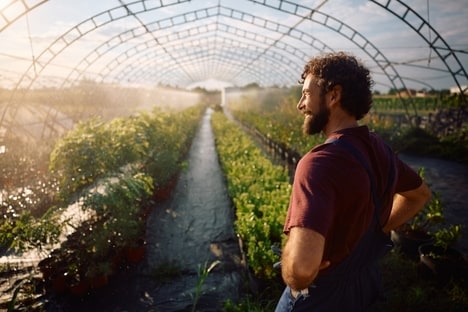
The collection includes dresses, sets and separates that put a chromatic profile in the spotlight perfect for summertime wear. The material for the collection was chose by the brand after trips to cotton farms in rural India to learn more about the people and the practices behind the process. The cotton thus supports regenerative principles for healthier soil, a rich biodiversity and strong farming communities.
CEO Jody Plows spoke on the new Nobody’s Child collection saying, "This is an exciting first for Nobody’s Child. Cotton is central to so many of our collections, and visiting the farms helped us better understand the land, systems and communities behind the fibre. With this collection, we wanted to bring that closer connection to cotton together with the colour, print, detail and feminine silhouettes our customers come to us for, creating pieces that feel true to Nobody’s Child."
What Makes This Trend Stand Out
- Regenerative Cotton Fashion
- Regenerative cotton collections signal a shift toward apparel lines where soil health, biodiversity, and community resilience become differentiators beyond conventional sustainability claims.
- Farm-traceable Apparel
- Direct links between brands and cotton-growing communities create space for provenance-led fashion models built around transparency, storytelling, and verified material impact.
- Biodiversity-positive Materials
- Consumer-facing garments made from regenerative fibers reflect growing potential for materials that connect seasonal design with measurable ecological restoration.
Sectors Adopting This
- Fashion
- Sustainable womenswear brands are increasingly positioned to compete through regenerative sourcing, farm-level narratives, and premium everyday collections with clearer environmental value.
- Textiles
- Cotton supply chains gain new relevance as textile producers develop fiber standards tied to soil improvement, lower-impact cultivation, and differentiated fabric performance.
- Agriculture
- Rural farming networks become strategic partners in consumer goods innovation as regenerative practices translate into marketable inputs for climate-conscious apparel collections.