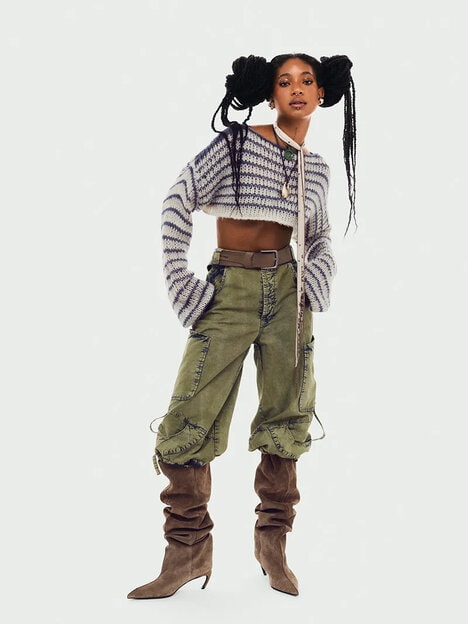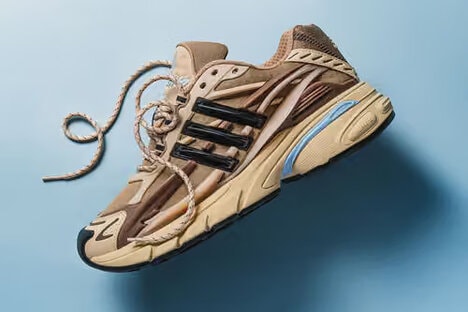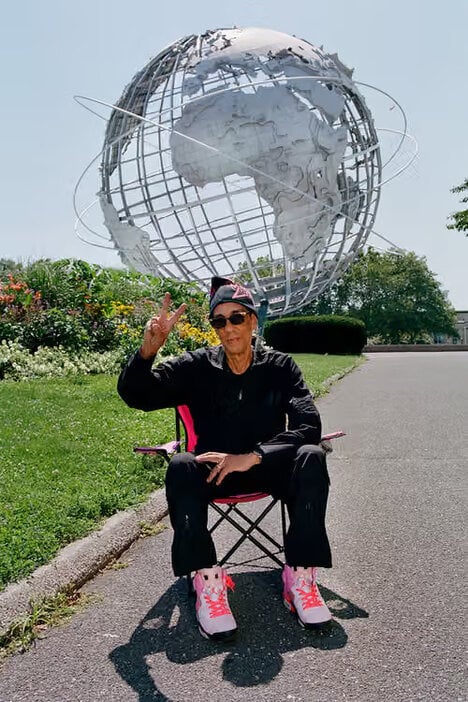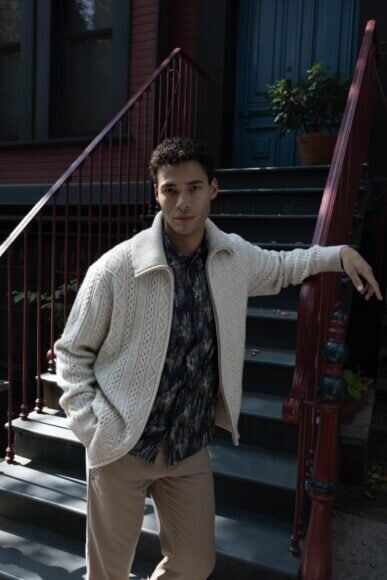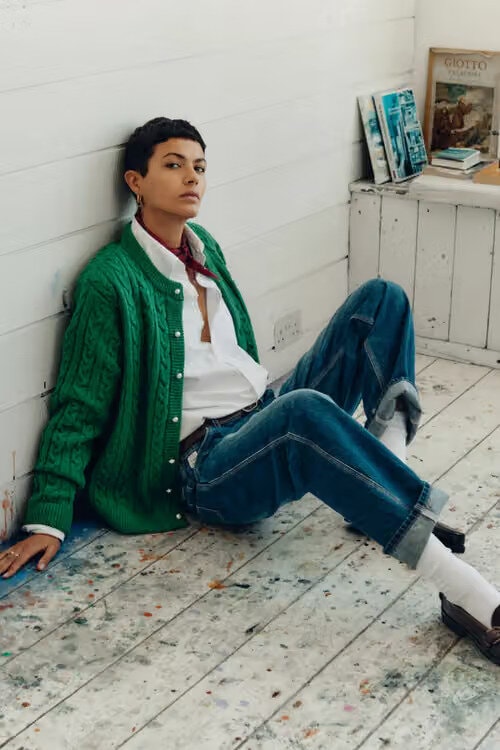
The Noah Fall/Winter 2026 Collection builds on the New York label's focus on timeless wardrobe staples through elevated materials and traditional craftsmanship. Photographed in Cornwall by Paul Hempstead, the seasonal lineup incorporates wool fabrics sourced from England, Ireland and Scotland alongside premium yarns selected for long-lasting knitwear. The collection spans structured tailoring, classic sportswear and everyday essentials, with standout pieces including reworked polo shirts, heavyweight archival-inspired sweatshirts, Los Angeles-made Japanese selvage denim jeans and maritime-influenced outerwear.
Designed around durability and versatility, the collection balances heritage production techniques with contemporary silhouettes suited to transitional weather. Relaxed suiting, rugged trousers and layered knitwear expand the offering while reinforcing Noah's emphasis on garments intended for long-term wear rather than seasonal replacement.
Image Credit: NOAH Ny
Why This Trend Is Growing
- Heritage Textile Revival
- Traditional wool sourcing, archival fabrics and regional craft methods present fresh space for premium apparel that differentiates through provenance, durability and cultural authenticity.
- Long-life Wardrobes
- Durable staples and versatile silhouettes reflect rising demand for clothing designed around extended ownership rather than frequent seasonal replacement.
- Elevated Everyday Essentials
- Classic polos, sweatshirts, denim and outerwear are being reinterpreted with premium materials, creating room for basics that blend comfort, craftsmanship and luxury cues.
Industries Being Reshaped
- Menswear
- Heritage-inspired tailoring, sportswear and knitwear signal new potential for menswear brands to merge traditional production values with contemporary fit and lifestyle relevance.
- Textiles
- Regional wool, premium yarns and selvage denim highlight opportunities for textile suppliers to build value through traceable materials and performance-oriented natural fibers.
- Sustainable Fashion
- Collections centered on longevity and timeless design strengthen the market for lower-waste fashion models that prioritize quality, repairability and reduced consumption cycles.