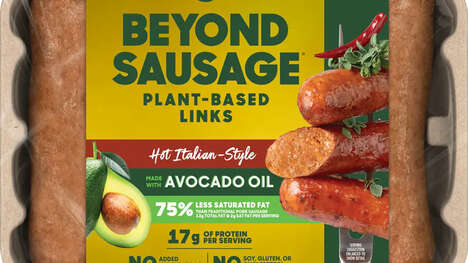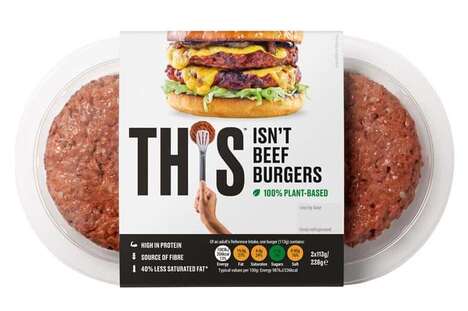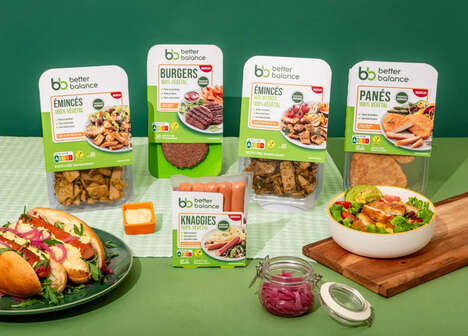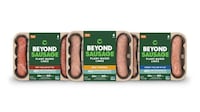
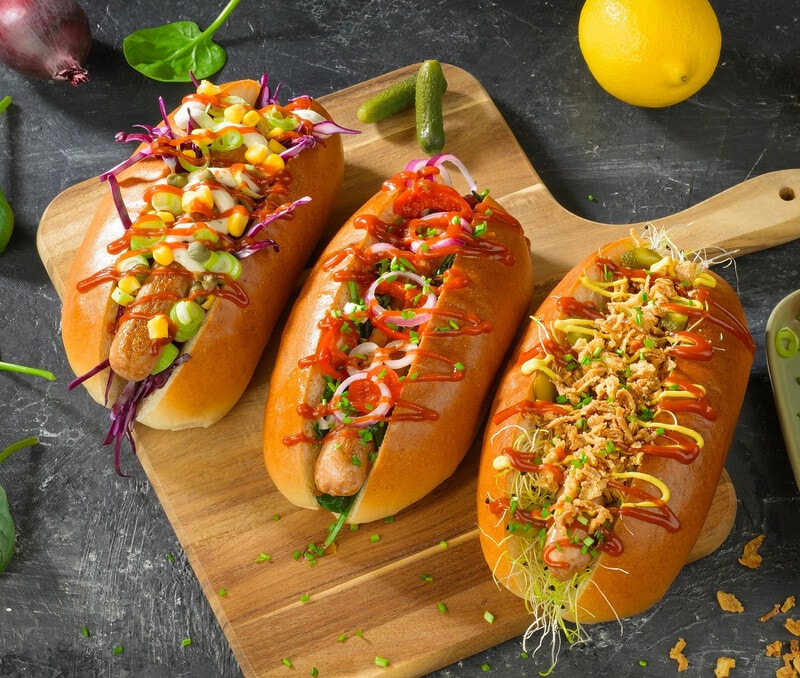
This new plant-based sausage has been developed by Schouten Europe as a meat-based sausage alternative that achieves the taste and texture of traditional products using innovative ingredients. The sausage is reported to have a firm texture that's achieved with proteins from wheat, soy and potato, while also maintaining juiciness thanks to an alt fat that isn't animal-derived. This reportedly gives the product a well-rounded taste and texture, which is boosted with nutritional benefits like high fiber content and a low level of saturated fats.
R&D Manager Ruben Molenaar spoke on the new plant-based sausage saying, "This delivers an authentic sausage experience. Traditional sausages use an animal intestine as a casing, but we can now offer this in a fully plant-based way. The meat alternatives category is still relatively young, and we constantly explore ways to create better and healthier products."
What's Driving This Trend
- Alt Fat Integration
- Innovative alt fat usage in plant-based products offers the possibility to replicate traditional food textures without animal derivatives.
- High-protein Plant Foods
- The incorporation of diverse proteins from sources like wheat, soy, and potato enhances nutritional profiles in plant-based food items.
- Nutritionally Enhanced Meat Alternatives
- Plant-based sausages with benefits such as high fiber and low saturated fats provide health-focused options for consumers seeking traditional meat textures.
Who This Affects Most
- Plant-based Food Production
- This industry is evolving with innovations that closely mimic traditional meat products both in taste and texture.
- Food Ingredient Development
- Innovative ingredients like alt fats and diverse protein sources are driving advancements in creating meat-like textures without animal products.
- Health-conscious Consumer Goods
- Products designed with enhanced nutritional benefits such as lower saturated fats are gaining traction in markets focused on health and wellness.