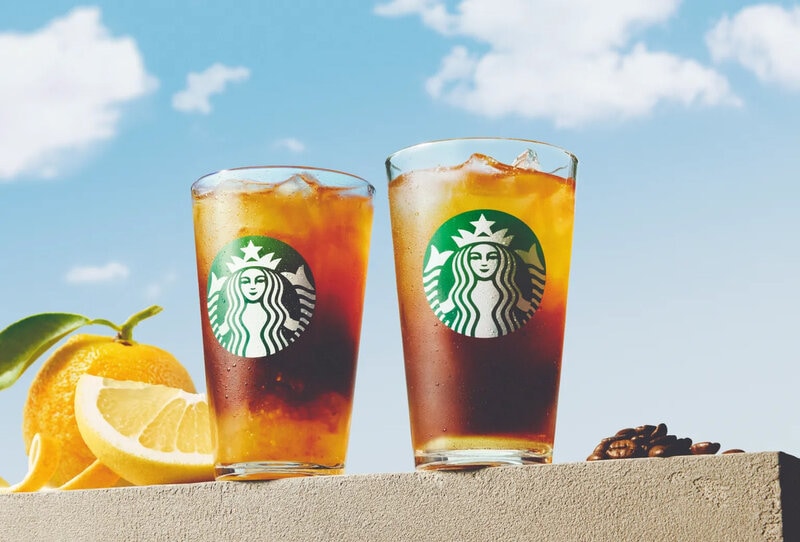
In 2026, Starbucks Japan is celebrating its 30th year in Japan and marking the milestone with innovative releases like new coffee drinks crafted in collaboration with the youth marketing organization Shibuya109 lab. As part of a project that aims to understand how younger generations perceive coffee, Starbucks Japan found that 46% of survey respondents had never actually tried black coffee. Taste was the biggest reason, with non-coffee drinkers saying that they anticipate it being bitter, but would be open to trying it if it was sweet. As such, Starbucks Japan began workshops and tasting sessions to perfect drinks to fill the gap between black coffee and sweet menu options like lattes and Frappuccinos.
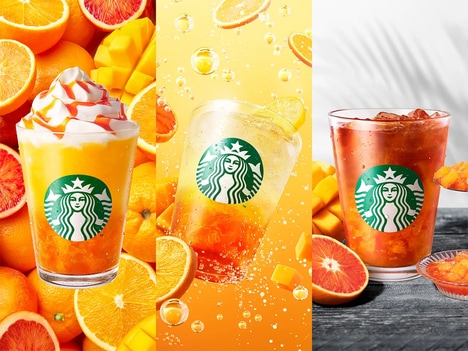
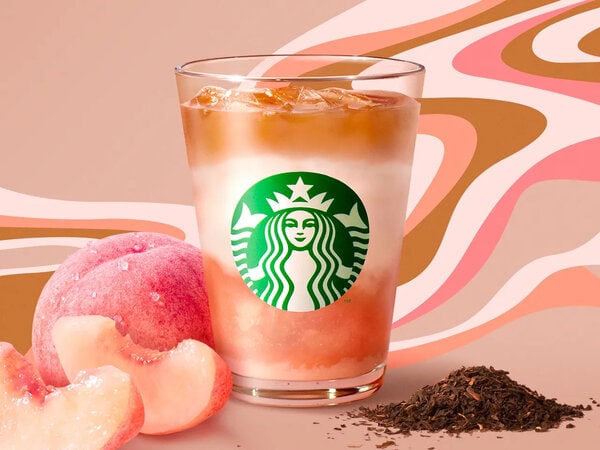
Now, Starbucks Japan's Clear Coffee is on the menu to share a gentle coffee flavor with reduced bitterness and subtle sweetness, and bright, refreshing Citrus Clear Coffee is even more approachable for fans of fruit flavors.
What's Driving This Trend
- Gentle Coffee Formats
- Low-bitterness coffee beverages create space for brands to reframe traditionally polarizing flavors as approachable entry points for younger and hesitant consumers.
- Transparent Beverage Innovation
- Clear coffee concepts blend novelty, refreshment, and familiar caffeine rituals, signaling potential for visually distinctive drinks that stand apart in crowded cafe menus.
- Youth-led Flavor Development
- Co-created products with youth insight groups reveal how generational taste barriers can inspire sweeter, lighter, and more playful beverage portfolios.
Who This Affects Most
- Coffee Shops
- Cafe chains are positioned to expand beyond core coffee drinkers by offering transitional beverages that soften bitterness while preserving coffee identity.
- Ready-to-drink Beverages
- Packaged drink makers can reinterpret clear and citrus-infused coffee as shelf-stable refreshment products for consumers seeking lighter caffeine alternatives.
- Youth Marketing
- Consumer research focused on younger audiences uncovers unmet demand for hybrid flavors that bridge curiosity, aesthetic appeal, and lower-risk trial.