To celebrate the unique flavors and characteristics special to different areas of Japan, Starbucks Japan is launching the Starbucks Jimoto Program, which will see exclusive drinks and products released in select prefectures. Starting in early August, people in Aomori, Gunma and Okinawa will be able to pick up exclusives that can't be found elsewhere. Unlike limited-time offerings that apply pressure for people to try a new menu item as soon as possible, while supplies last, the items will join menus as year-round as permanent additions.
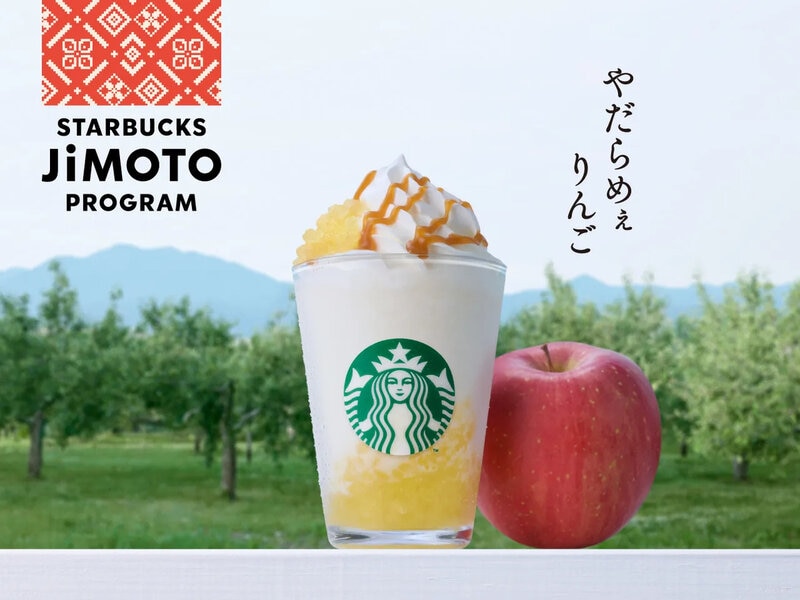
In Aomori, famous for apples, Starbucks Japan customers can sip the Aomori Yadaramee Apple Almond Milk Frappuccino, authentically made with locally grown Aomori apples. In Gunma, there are three Frappuccinos to try, each inspired by a different mountain and made with locally produced drinking yogurt.
What Makes This Trend Stand Out
- Regional Beverage Exclusives
- Location-specific drinks create differentiation through local identity, giving brands new ways to build loyalty beyond standardized national menus.
- Permanent Localized Menus
- Year-round regional offerings shift limited-edition excitement into sustained product relevance, opening space for deeper community-based brand engagement.
- Ingredient-led Localization
- Locally sourced ingredients such as apples and yogurt turn regional agriculture into premium menu storytelling, linking foodservice innovation with place-based authenticity.
Sectors Adopting This
- Coffee Shops
- Cafe chains can use regional menu architecture to balance global brand consistency with hyperlocal customer appeal.
- Food and Beverage
- Product developers gain new whitespace in translating local crops, flavors and culinary traditions into scalable branded experiences.
- Agriculture
- Regional producers benefit from partnerships that elevate local ingredients into consumer-facing products with stronger cultural and commercial visibility.